
Ayush Cell Romania: Courses, Applications, Camps, and Video Access
📚 Enrollment Open for the 2026–2027 Ayurveda Courses
For those who would like to stay connected with the ongoing rhythm of Ayurvedic events and practice, the Telegram channel “Ayush Cell Romania” as well as the Ayurveda Agenda page are dedicated sources of information. Here we announce courses, free seminars held on Zoom, and other news about Ayurveda activities in Romania.
Ayurveda Course 2026–2027
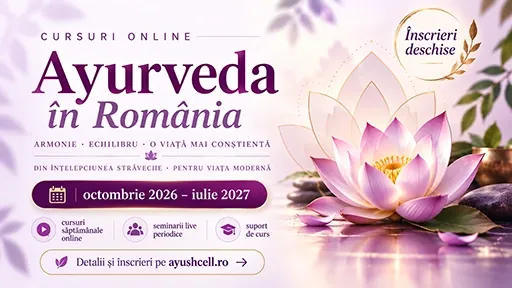
Online Ayurveda course, academic year October 2026 – July 2027 — enrollment is open for Group 01. The course is offered through recordings, with a weekly session every Tuesday at 18:30, beginning October 6, 2026; live seminars, including question-and-answer sessions, are also held periodically. Topics include constitutional types, personalized nutrition, medicinal and aromatic plants from Romania and India, and natural approaches to balance within the Ayurveda tradition. Participants also receive the accompanying written course materials free of charge.
Ayurveda Camp — Autumn 2026
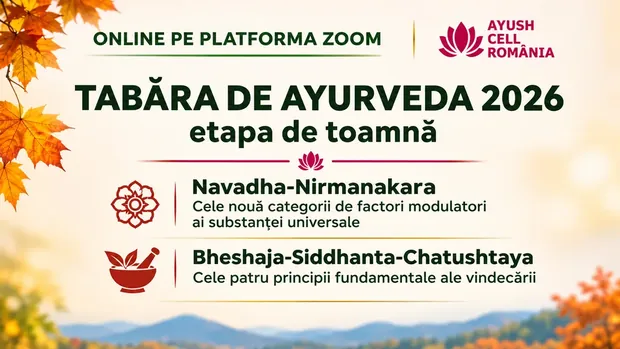
The Autumn 2026 Ayurveda Camp will take place online on Zoom in two parts: November 26, 27, 28, and 29 and December 11, 12, and 13. The program introduces the Navadha-Nirmanakara system (the nine categories of factors that modulate universal substance) and Bheshaja-Siddhanta-Chatushtaya (the four fundamental principles of healing in Ayurveda). Participants study and practice together through a shared program of activities, exploring essential aspects of the ancient traditional science of Ayurveda in depth.
Ayurveda Course: Foundations, In-Depth Study, and Practical Application of Principles for a Healthy, Vital Life
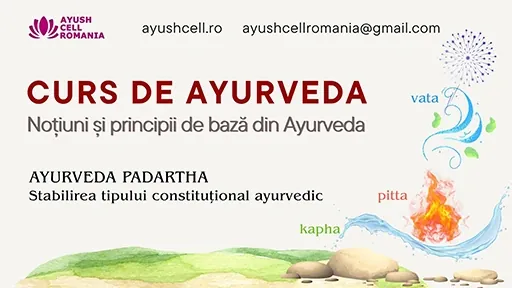
The Ayurveda-Padartha module is a comprehensive and detailed introductory course offering a broad, well-structured understanding of the fundamental principles of Ayurveda. It is suitable both for those taking their first steps in this traditional science of life and for those interested in deepening their knowledge of Ayurveda’s holistic approach to health and practical ways of restoring balance.
Narrative Reorganization of Consciousness

This second module in narrative therapy introduces narrative reorganization as a process of clarifying and restoring harmony to the ways experience is structured in consciousness.
The course begins by examining how lived experience is organized in consciousness through internal structures that shape the perception, interpretation, and integration of events into recognizable patterns.
The course begins by examining how lived experience is organized in consciousness through internal structures that shape the perception, interpretation, and integration of events into recognizable patterns.
⚡ News and Updates
Psychophonotherapy Course
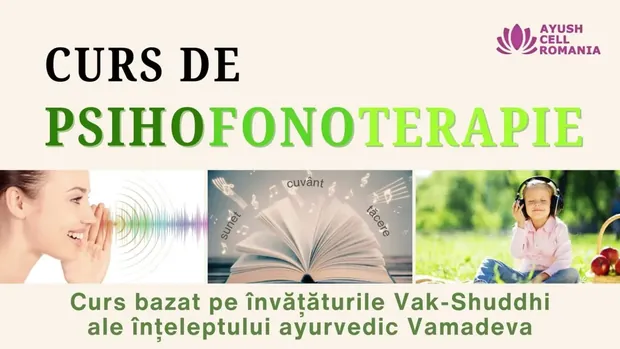
Psychophonotherapy is an unconventional integrative therapy approach that uses conscious spoken expression, silence, sacred sounds articulated inwardly within consciousness, and verbalized inner intention. These are used as means of promoting harmony in active consciousness, emotions, and the subtle dimensions of the person.
The Six Dimensions of Expression

Starting from everyday expressions such as “sweet words,” “expressing bitterness,” and “sour words,” this module in the psychophonotherapy series proposes an illustrative approach to exploring expressiveness based on the six fundamental tastes recognized in Ayurveda: sweet, salty, sour, pungent, bitter, and astringent.
Vajikarana
Erotic and Relational Dynamics

This module, part of the series on traditional Ayurvedic approaches to aphrodisiacs (Vajikarana), explores practices intended to enhance virility, fertility, and intimate experiences. Vajikarana takes an integrative view of intimate well-being, relating it to physical, psychological, emotional, and relational balance.
Medicinal Plant Video Presentations
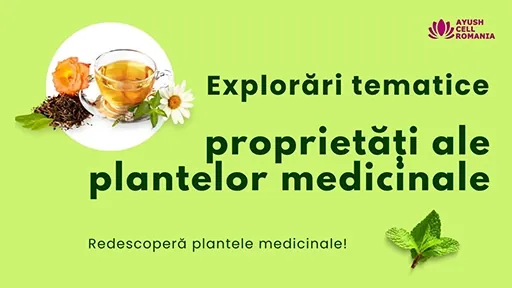
This video series explores medicinal plants and is organized into thematic packages of 12 recordings. Each recording addresses a distinct topic within the broad field of traditional therapeutic uses of medicinal plants, offering rich educational content and a wider perspective on their uses beyond conventional herbal medicine.
Watching these materials is an invitation to reconsider how we approach medicinal plants and to look beyond conventional patterns of folk herbalism.
Watching these materials is an invitation to reconsider how we approach medicinal plants and to look beyond conventional patterns of folk herbalism.
Rasayana Course — Module 2
Rasayana Module 2 presents the second chapter on Rasayana from the Ayurvedic text Charaka-Samhita. This type of Rasayana is known as Pranakama-Rasayana or Pranakamiya-Rasayana.
The Ayurvedic Tradition — Amnaya Tantraka

The Sanskrit term Amnaya means sacred spiritual tradition. This meaning applies to any form of higher, essential knowledge believed to have a divine origin and to be conveyed to human beings through revelations received by great spiritual figures and exceptional individuals directly inspired by God.
📜 History of Ayurveda
The Sage Sarkaraksha-Rishi

The introductory Sutra Sthana section of the Ayurvedic text Charaka Samhita describes a gathering of great sages, or rishis, at the foot of the Himalayas. They meet to seek solutions and remedies for hardship, disease, and suffering, and to restore the conditions for healthy living. Among all the names recorded in this text, only three share the ending aksha (eye, sight), and they appear together in sequence: Sarkaraksha, Hiraṇyaksha, and Lokaksha.
The Sage Gargya-Rishi
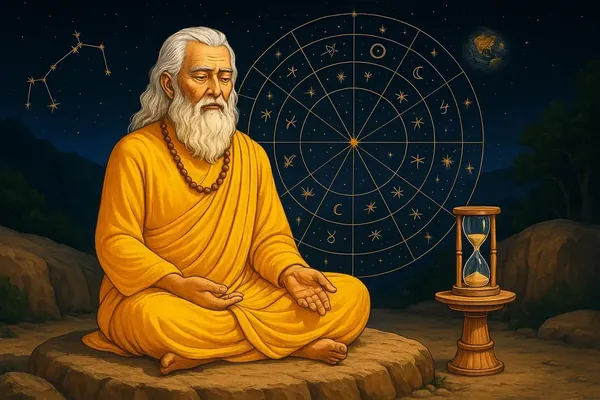
The Ayurvedic sage Gargya is one of the notable figures from the early Ayurvedic tradition, mentioned in the Charaka Samhita as a participant in the gathering of great rishis led by the sage Atreya. A descendant of the Vedic lineage of Garga, he connects teachings on cosmic order with the science of life, offering a vision that unites the understanding of the universe with that of the human being.
🎈 Ayush Cell Romania Applications
Nutritional Values Application
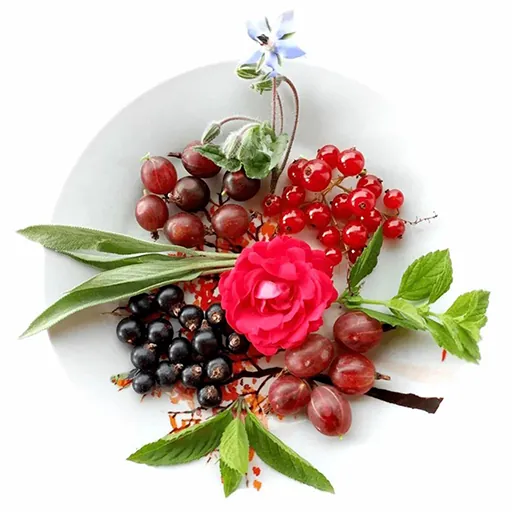
Explore the nutritional content of foods and calculate the calories, protein, fat, carbohydrates, and fiber in each meal. Choose a healthy, balanced diet every day.
Updated List of Plant-Based Ingredients Permitted in Dietary Supplements

This application serves as a key reference for health professionals and dietary supplement manufacturers, providing information about plant-based ingredients authorized for use in Romania.
🍃 Ayurvedic Nutrition Training Program
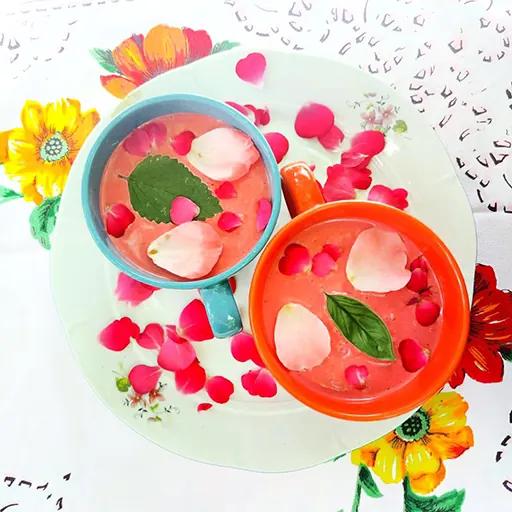
Applied Ayurvedic Nutrition Training Program — Module 3
The practical Applied Ayurvedic Nutrition Training Program covers traditional Ayurvedic nutrition concepts, Ayurvedic nutritional assessment tests, the personalization of nutritional choices according to participants’ needs, and ways to improve nutrition based on the principles of Ayurveda, the ancient traditional knowledge system of life.

Applied Ayurvedic Nutrition Training Program — Module 2
The Applied Ayurvedic Nutrition Training Program was designed for immediate practical use, helping participants assess their personal nutritional parameters and become more aware of their eating habits, with the aim of identifying opportunities to improve their lifestyles through applied Ayurvedic nutrition.