Ayurveda Agenda 41 / 2026 Contents

Specialized courses

1

Training program in practical applied Ayurvedic nutrition

The first module of the Ayurvedic nutrition program offers participants an opportunity to explore the principles of dietary suitability, constitutional characteristics, and personal assessment methods, bringing traditional Ayurvedic knowledge into a practical approach to everyday eating.

Nutrition viewed through the constitutional characteristics described in the Ayurvedic tradition

Food is one of the fundamental elements of life, continuously influencing bodily condition, vitality, and the ways in which each person carries out daily activities. Food choices, quantities consumed, meal regularity, and digestive characteristics together contribute to maintaining balance.

In the Ayurvedic tradition, nutrition is viewed broadly, connecting the properties of food with the constitutional characteristics of the person consuming it.

This approach helps explain important differences and why the same diet may be experienced differently by people with different constitutional characteristics.

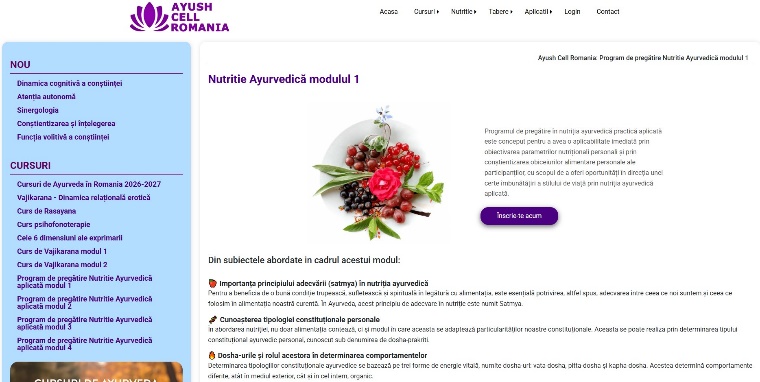
Building on these principles, Module 1 of the Applied Ayurvedic Nutrition Training Program, available through the Ayush Cell Romania platform, offers a course of study focused on self-knowledge, assessing personal nutritional parameters, and consciously adapting Ayurvedic principles to the organization of personal nutrition.

The program is led by Aurora Nicolae, an Ayurveda lecturer and nutritionist and Vice President of the National Association for the Promotion of Non-Conventional Medicines in Romania (AMN-Romania).
The program aims to connect traditional Ayurvedic knowledge with contemporary concerns about balanced nutrition adapted to each person’s constitutional characteristics.

Module 1 access: ayushcell.ro/nutritie1

Satmya: The principle of dietary suitability

One of the central concepts studied in the first module is satmya, an Ayurvedic term expressing the suitability, compatibility, and adaptation of food to individual characteristics.

This perspective introduces a fundamental question in organizing personal nutrition: how well do regularly consumed foods match one’s constitution and capacity to use them?

In Ayurveda, food selection is considered in relation both to the food’s properties and to the individual’s characteristics, habits, and eating conditions. Dietary suitability therefore requires progressively understanding one’s own needs and how different foods influence overall condition.
Studying satmya gives participants a reference point for observing and understanding their own eating habits. Nutrition can thereby become an avenue for self-knowledge and greater discernment in everyday choices.

The role of understanding Ayurvedic constitution (dosha-prakriti)

An important component of the program is understanding one’s Ayurvedic constitutional type, known as dosha-prakriti.

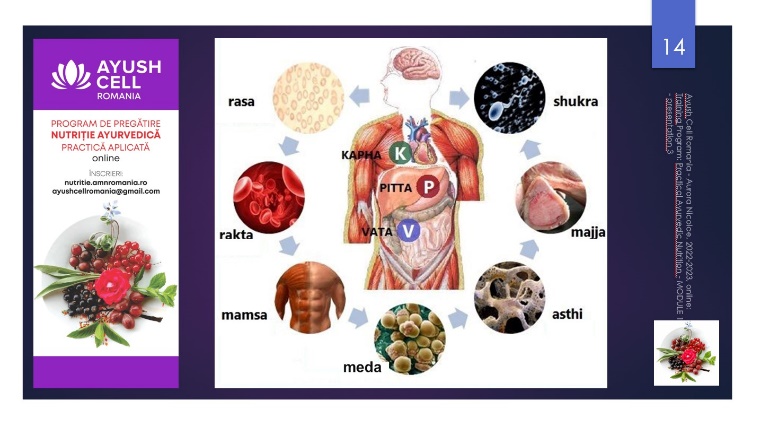
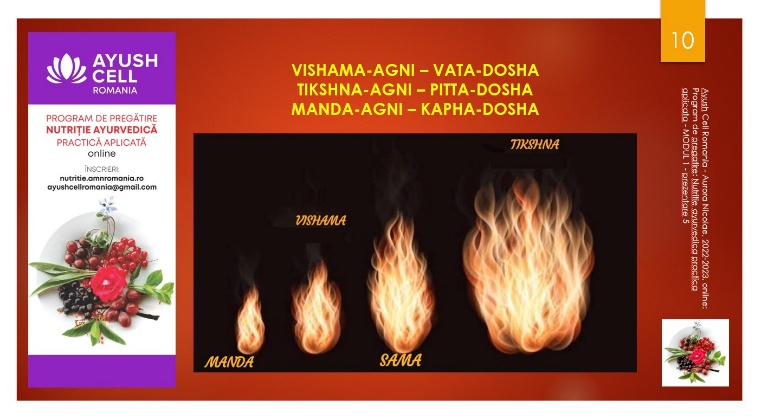
According to the traditional Ayurvedic model, constitutional characteristics are described through three doshas: vata-dosha, pitta-dosha, and kapha-dosha. These are fundamental functional principles used in Ayurveda to understand and interpret bodily, physiological, and behavioral characteristics.

The first module introduces the characteristics of the three doshas and how they help define constitutional types. The study aims to develop the ability to observe personal characteristics and relate them to Ayurvedic nutritional principles.

This stage has particular educational value because it provides a conceptual foundation for understanding structural diversity.

People with different constitutional types may have different food preferences and responses to certain foods, depending on many physiological and behavioral factors. Knowledge of constitution thus becomes a starting point for personalizing nutrition within the traditional Ayurvedic system.

Personalized nutrition and careful observation of individual responses

Based on constitutional concepts, the program introduces the principles of personalizing nutrition. This approach seeks to relate the properties of foods to individual characteristics, enabling informed, deliberate dietary choices. Participants are encouraged to consider how they arrange their meals, the foods they use most often, and the relationship between eating habits and their own condition.
An important consideration is that nutrition has both quantitative and qualitative dimensions. Food quantity, composition, eating regularity, and the circumstances of meals can all be observed and systematically assessed. In this context, Ayurvedic nutrition becomes an educational tool through which traditional Ayurvedic principles can be applied to concrete everyday concerns.

Assessing nutritional parameters and applying Ayurvedic principles

Another subject in the first module is assessing body weight and interpreting anthropometric measurements in relation to personal characteristics.

Participants study modern formulas used to estimate reference weight and calculate body mass index (BMI).

These tools are presented alongside the traditional Ayurvedic perspective on constitution, so participants can understand both the usefulness of quantitative indicators and the nuances of interpreting them. BMI provides an approximate reference for weight assessment; its interpretation can be supplemented by age, body composition, and other characteristics. The program relates these parameters to the traditional model of Ayurvedic constitutional types. By combining both perspectives, it seeks to develop a nuanced understanding of the relationship between constitution, weight, and nutrition.

From theoretical knowledge to practical everyday use

The program’s practical value comes from its focus on observing personal eating habits and using what is learned in everyday life. Participants can examine their dietary choices, understand the principles of suitability, and identify ways to improve how they eat.
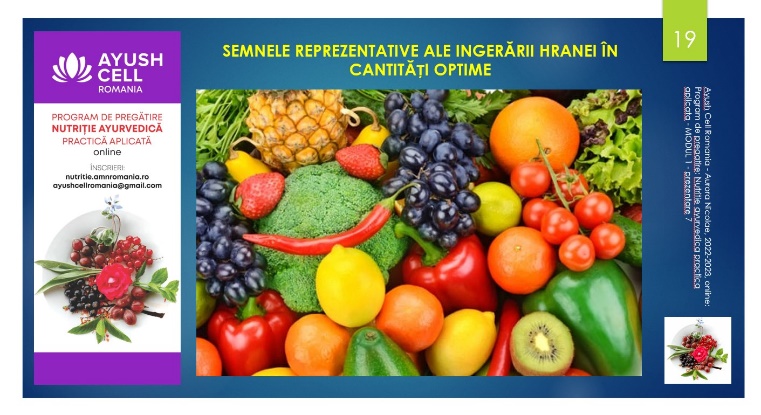
Particular attention is given to simple, natural, accessible foods. From the program’s perspective, an appropriate diet can begin with everyday foods, carefully selected and used. This approach develops a conscious relationship with food, making ingredient choices, meal preparation, and eating conditions part of a balanced lifestyle.

An accessible, organized program for systematic personal study

The first module is intended for anyone interested in Ayurvedic nutrition, including those beginning their study of Ayurveda.

Fundamental concepts are introduced progressively, enabling participants to follow the explanations and gradually build a foundation for further study.

The program is available as video recordings that can be watched directly on the Ayush Cell Romania platform. This format allows participants to study on their own schedule and revisit explanations to reinforce their understanding.

An important foundation for advanced practical study of Ayurvedic nutrition

Module 1 is part of a broader educational program organized into multiple modules.

By studying satmya, constitutional types, and personal nutritional parameters, this first module provides the foundations for continuing training and progressively deepening knowledge of Ayurvedic nutrition.

At the same time, this knowledge is immediately useful for those seeking to better understand their own characteristics and make informed decisions about their diet.

In this sense, the program builds a natural connection between the Ayurvedic tradition and contemporary concerns about health, self-knowledge, and quality of life.
Nutrition thus becomes a subject of personal study in which observation, understanding, and gradual application of knowledge help cultivate balance and overall vitality.
Contents

2

Contents of Ayurveda Agenda digital magazine, issue 41

The table of contents of Ayurveda Agenda digital magazine issue 41 includes page references for articles in its sections and details of educational resource chapters at each study level.

Specialized courses

pp. 01–04

Training program in practical applied Ayurvedic nutrition

Contents

p. 04

Contents of Ayurveda Agenda digital magazine, issue 41

Educational resources

pp. 05–06

Ayurveda – Level 01

p. 05

(3) Ayurveda-Padartha

C02 (R)

Ayurveda – Level 02

p. 05

(4) Vela-Chakra

C04 (R)

Current updates

pp. 06–10

(5) Digital Educational Magazine of Medicinal Plants — October 2026

🞿

Educational resources

Ayurveda – Study Level 1 – AY01

3

One course revised from the Dosha-Prakriti section, Ayurveda-Padartha chapter, on constitution and the value of understanding it

Lesson 2 defines Ayurvedic constitution and highlights the value of understanding one’s constitutional type for prevention, self-knowledge, and choosing appropriate therapeutic methods.

Lesson 2 is part of Level 1 (AY01), the Dosha-Prakriti section (A01), the Ayurveda-Padartha chapter (A1), available as an easy-to-read A4 PDF and a foldable A5 PDF, code: AY01-A01-A1-C02.

Course titles and their place in the Basic Ayurveda Course curriculum

📁 AY01
 ├─ 📁 A01: Dosha-Prakriti
  │   ├─📁 A1: Ayurveda-Padartha
  │   │    └─ 📄 Dosha-Prakriti_Ayurveda-Padartha_C02
  │   ├─📁 A2: Svasthya-Darshana
  │   └─📁 A3: Prakriti-Nikasha

Understanding Ayurvedic constitution

Explanatory notes

Title: Dosha-Prakriti_Ayurveda-Padartha_C02

Ayurveda – Study Level 2 – AY02

4

One course revised from the Svasthavritta section, the Vela-Chakra chapter on seasonal adaptation and the two halves of the year in Ayurveda

Lesson 4 presents Ayurvedic recommendations for the vata season and explains the annual sequence of the adana and visarga periods.

Lesson 4 is part of Level 2 (AY02) of study, the main Svasthavritta section (A02), the Vela-Chakra (A5), and is available both as an PDF A4, easy to read, and as a PDF A5, foldable, with the code: AY02-A02-A5-C04.

Course titles and their place in the Basic Ayurveda Course curriculum

📁 AY02
└─ 📁 A02: Svasthavritta
   ├─ 📁 A1: Tridosha-Guna
   ├─ 📁 A2: Dosha-Vaisamya
   ├─ 📁 A3: Dosha-Samya
   ├─ 📁 A4: Dosha-Sambandha
   └─ 📁 A5: Vela-Chakra
          └─ 📄 Svasthavritta_Vela-Chakra_C04

Adapting to seasonal rhythms and the two halves of the year

Explanatory notes

Title: Svasthavritta_Vela-Chakra_C04

Access: ayushcell.ro/suport_scris

Current updates

Digital Magazine of Medicinal Plants

5

Digital Educational Magazine of Medicinal Plants — October 2026

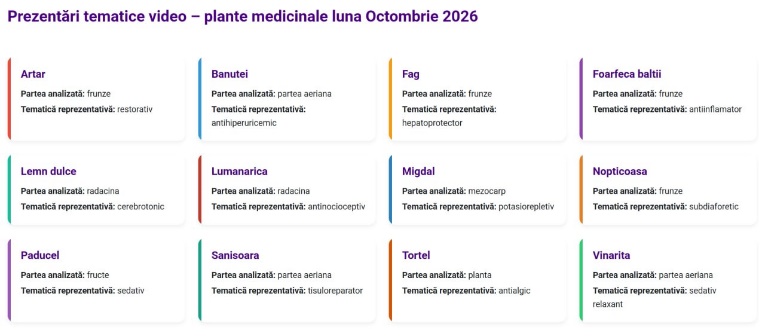
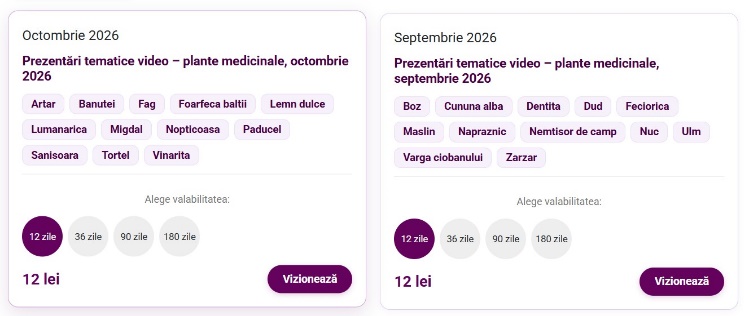
The October 2026 issue brings together twelve video presentations about special properties of medicinal plants, exploring biological mechanisms, traditional uses, and modern research from an interdisciplinary perspective.

The October 2026 issue of the Digital Educational Magazine of Medicinal Plants has been published, continuing the collection of thematic video presentations on the Ayush Cell Romania platform. The new issue features twelve plant resources selected for the variety of properties studied and their potential to highlight lesser-known but relevant applications.

The October issue stands out for the diversity of biological processes covered. It examines restorative, anti-inflammatory, hepatoprotective, cerebrotonic, antinociceptive, antihyperuricemic, and tissue-repairing properties, as well as sedative, relaxing, sudorific, and mineral-replenishing actions. Each plant is studied through a specific plant part and a representative property, offering a broad perspective on research possibilities.

A distinctive feature of this issue is its interest in tissue recovery and functional regulation.

Several presentations in the October 2026 issue address mechanisms involved in restoring body tissues, metabolic adaptation, supporting nervous-system function, or reducing discomfort.

Other presentations reconsider familiar plants by examining parts that are less often featured in conventional herbal medicine materials.

The documentation follows the established structure of the series. Botanical description, plant part used, phytochemical composition, biological mechanisms, ethnobotanical uses, traditional information, and modern studies are brought together in a focused explanation that clarifies each line of study.

Special care is taken to distinguish traditional information, experimental findings, and research evidence so that each property is understood in relation to the actual level of available documentation.

Twelve medicinal plants and twelve avenues of exploration

Explanatory note

This selection brings attention to both plants well established in European herbal medicine and plant resources whose less-explored properties may be revealed through modern research. Selecting a separate topic for each plant allows for focused investigation while preserving its broader botanical and phytochemical context.

Diversity of properties and the value of differentiated research

Common mullein (Verbascum thapsus L.), studied through its root for antinociceptive properties, is a relevant example for this issue. Traditional herbal medicine uses its flowers and leaves mainly to support respiratory health. The choice of the root focuses attention on a less-studied plant part and on processes involved in pain perception. The presentation also clarifies the differences between antinociceptive activity, reduced pain sensitivity, and analgesic effects.

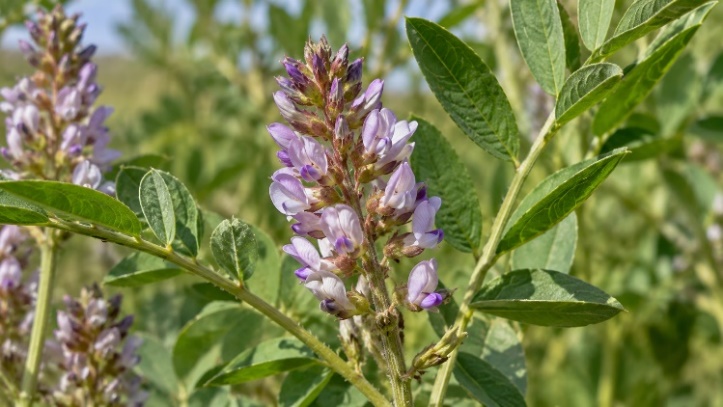
Another interesting example is licorice (Glycyrrhiza glabra L.), whose root is studied for cerebrotonic properties. The plant’s traditional uses, including in Ayurveda, provide valuable context for examining the relationship between its characteristic compounds and processes involved in nervous-system function.

Research on constituents such as glycyrrhizin and glabridin opens perspectives on neuronal protection, oxidative stress, and neuroinflammation. Here, cerebrotonic is a broad functional term that should be understood in light of the mechanisms and findings actually investigated.

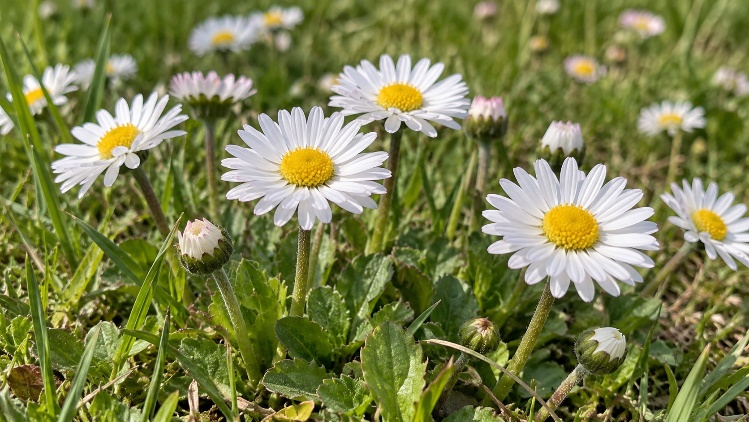
Common daisy (Bellis perennis L.), provides an example of how tradition can suggest new research directions. The aerial parts are studied for antihyperuricemic properties, starting from phytochemical composition and interest in uric-acid metabolism. The relationship of certain plant compounds to xanthine oxidase activity offers a point of departure for further exploration.

Available evidence directly supports certain anti-inflammatory properties of the plant, whereas a specific antihyperuricemic effect requires further investigation. This distinction shows the value of documentation that identifies both established findings and unanswered questions.

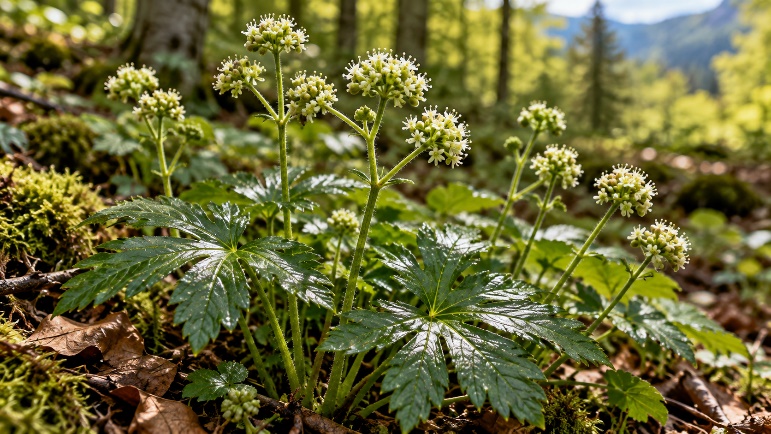
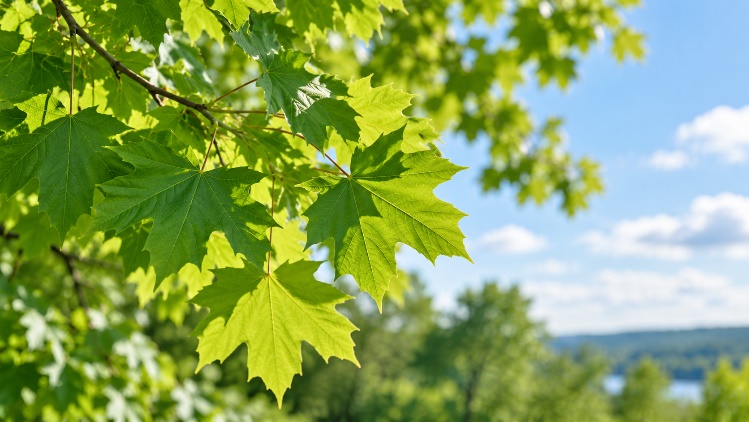
Another group of presentations examines tissue restoration and repair. Norway maple (Acer platanoides L.), studied through its leaves for restorative properties, and wood sanicle (Sanicula europaea L.), through its aerial parts for tissue-repairing action, offer opportunities to examine mechanisms associated with cell protection, inflammation, and tissue regeneration. Though both topics concern functional recovery, they differ in the nature of the properties and biological processes studied.

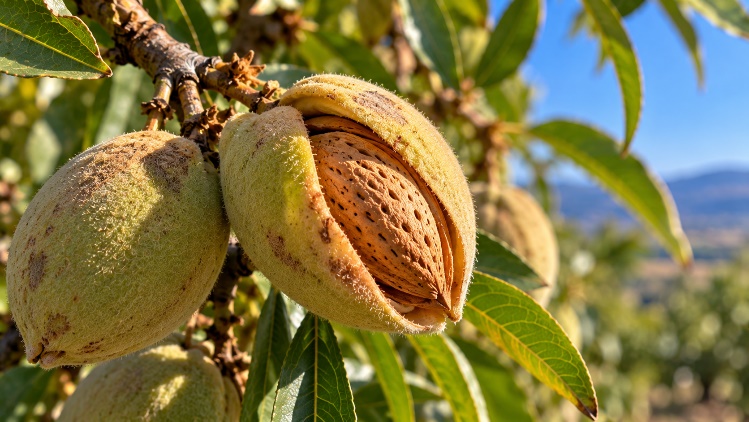
Another area involves the almond tree (Prunus dulcis (Mill.) D.A.Webb), where the mesocarp is studied for its potassium-replenishing properties.

This choice highlights the project’s interest in the mineral composition of plant resources as well as in secondary metabolites with pharmacological activity. Quantifying potassium and its availability is essential when evaluating the nutritional contribution of the mesocarp.

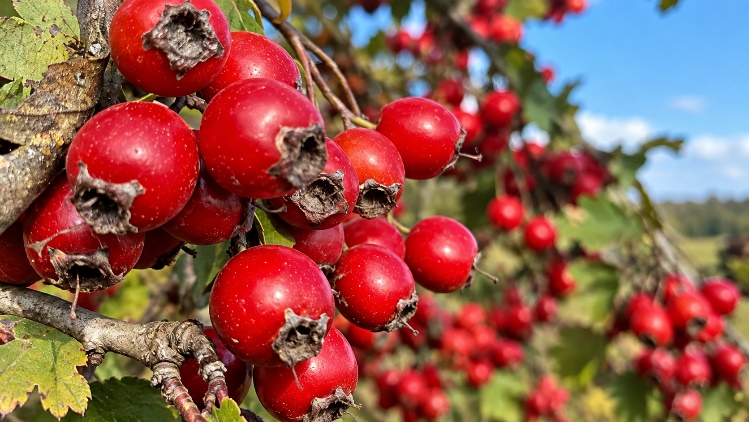
The presentations on hawthorn (Crataegus monogyna Jacq.), through its fruits for sedative effects, and sweet woodruff (Galium odoratum (L.) Scop.), through its aerial parts for sedative and relaxing properties, make it possible to compare plants with similar functional directions but different traditional and phytochemical characteristics.

Experimental research on hawthorn fruits and seeds offers indications of effects on spontaneous activity and behavior, while clinical evidence regarding sleep remains preliminary. Sweet woodruff raises questions about the traditional use of aromatic plants and the importance of characteristic constituents in understanding attributed properties.

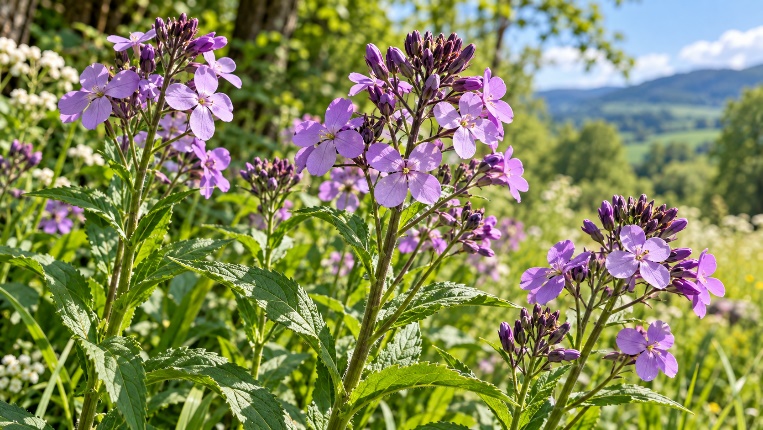
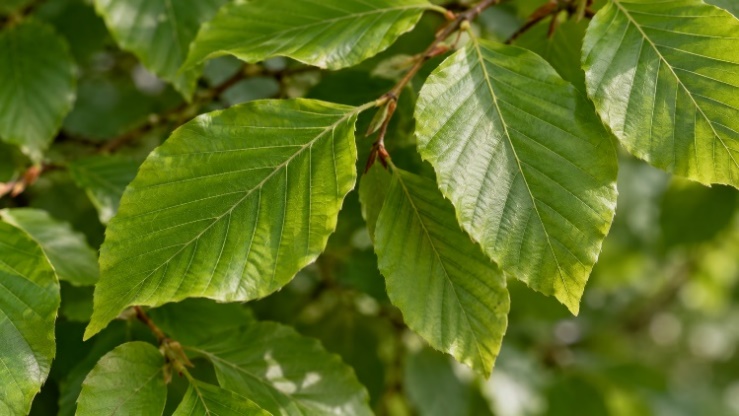
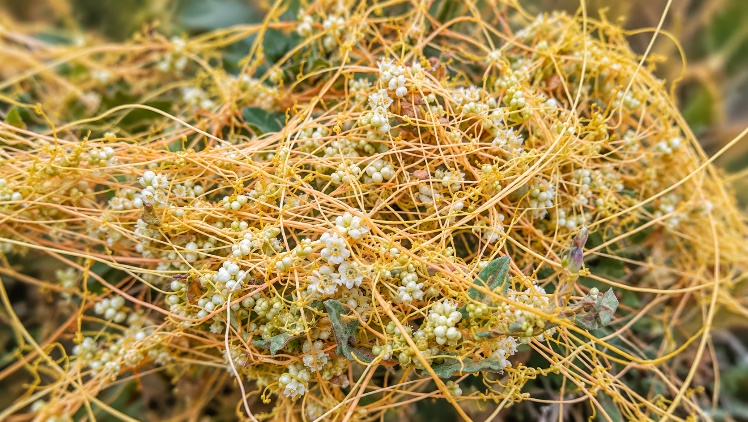
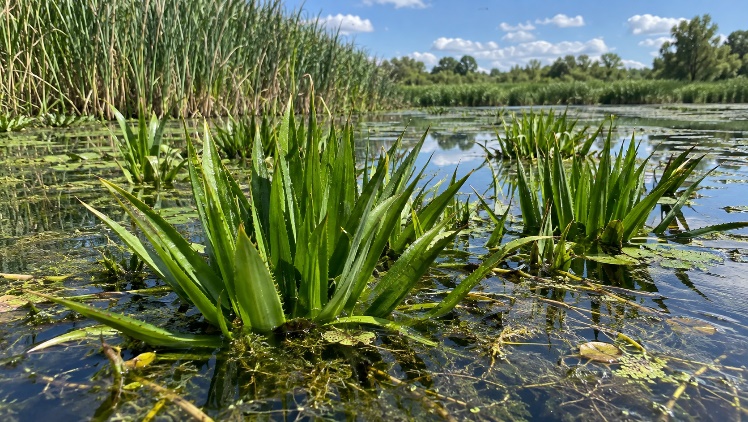
The remaining presentations add distinct perspectives. European beech leaves (Fagus sylvatica L.) are studied for hepatoprotective potential, water soldier (Stratiotes aloides L.) for anti-inflammatory properties, dame’s rocket (Hesperis matronalis L.) for subdiaphoretic action, and dodder (Cuscuta epithymum (L.) L.) for pain-relieving properties. Each topic offers an opportunity to explore the relationship between traditional observations and the current state of research.

An educational perspective on medicinal-plant properties

This issue underscores the importance of distinguishing properties that may initially appear similar. Antinociceptive and pain-relieving actions, sedative and relaxing effects, and restorative and tissue-repairing properties refer to different functional directions that require specific explanations. Understanding these distinctions helps develop a precise herbal medicine vocabulary and careful interpretation of information.

Another distinctive aspect is the selection of plant parts that may be less familiar to the public.

Mullein root, almond mesocarp, and beech or maple leaves show how a familiar species can become the subject of new investigation. From a pharmacognosy perspective, this is important because different organs of the same plant may have distinct phytochemical compositions and functional properties.

The magazine thus fosters a method of study based on identifying relationships between species, plant parts, and representative properties. These three reference points organize information systematically and facilitate comparison of research while respecting the specific characteristics of each plant resource.

The presentations also maintain links with Romanian herbal traditions and information from other regions of the world. Research conducted in different countries may offer complementary perspectives on locally used plants, while ethnobotanical study helps explain the historical and cultural contexts in which particular properties became known.

The educational value of this approach also lies in learning to distinguish categories of evidence. Traditional use may provide a starting point for research; a cell experiment may identify a possible mechanism; and a clinical trial may provide information about effects observed in people. Each stage contributes knowledge with its own findings and limitations.

Continuity of the project and the development of a digital collection of presentations

The Digital Educational Magazine of Medicinal Plants continues building a collection of documented resources for personal study and advanced exploration of specialized topics. Each new issue expands opportunities to connect plants, properties, and research directions.

The modular structure allows each presentation to be watched independently or incorporated into a broader theme. Presentations on sedative properties can form one selection; those on tissue protection another; and presentations about mineral metabolism or urinary function may provide the starting point for other paths of study.

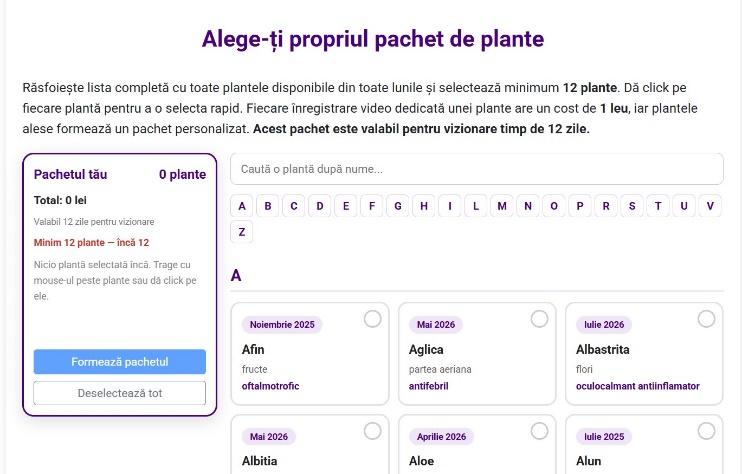
This is supported by the “Build Your Own Plant Package” feature, available on ayushcell.ro. Users may select at least twelve presentations from published issues to create a personalized edition based on desired properties, favorite plants, or a particular educational goal.

Each selected presentation costs 1 RON, and the customized package remains available to watch for twelve days.

In this way, the collection gains additional value through the ability to reorganize information. A presentation published in one month may later belong to several thematic selections, and each new issue expands the resources available.

The October 2026 issue therefore marks another stage in the project’s development through its selection of diverse plants and interest in distinct functional properties.

Traditional documentation, botanical observation, phytochemical analysis, and biomedical research are used in complementary ways, contributing to more precise knowledge of plant resources and a culture of systematic, modern, responsible medicinal-plant study.

Access to video presentations is integrated into the Ayush Cell România platform and requires signing in. The collection can be explored through monthly issues or the customized selection feature, allowing each user to organize an educational path suited to their interests. This flexibility is one of the collection’s defining features.

Selective access to each monthly issue:
ayushcell.ro/prezentari_plante_medicinale