| 1 | Plantheonia Digital Educational Magazine of Medicinal Plants — November 2026 |
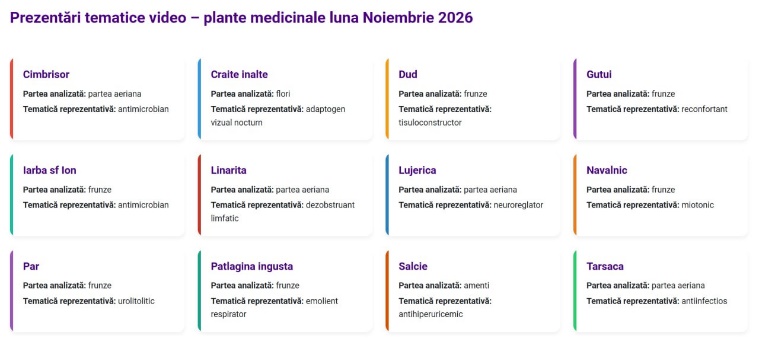
The new November 2026 issue explores twelve special medicinal-plant properties, highlighting tissue repair, functional adaptation, metabolic protection, and neurovegetative regulation by linking tradition with modern research.
A new issue devoted to lesser-known properties of plants
Sometimes a familiar plant becomes the subject of an entirely new exploration when attention turns to a less commonly used part or a property outside its customary applications.
This potential for rediscovery is a defining feature of the November 2026 issue of Plantheonia, the Digital Educational Magazine of Medicinal Plants.
The twelve video presentations in this issue highlight properties that demonstrate the functional diversity of plant resources. Some plants are studied for antimicrobial or anti-infective actions, others for nervous-system regulation, muscle-function support, tissue restoration, or metabolic effects. Less common areas include adapting visual function to low-light conditions, facilitating the elimination of urinary stones, and influencing uric-acid metabolism.
This issue emphasizes the relationship between each plant’s representative property and mechanisms that may contribute to the body’s adaptation, protection, or functional recovery. It goes beyond listing traditional uses to identify links between plant composition, biological processes, and contemporary research findings.
This approach characterizes the Plantheonia project as a whole. Every presentation begins with botanical identification, specification of the plant part studied, and the choice of a representative property.
Documentation then examines relevant phytochemical constituents, possible biological mechanisms, ethnobotanical uses, and available experimental or clinical research. The result is a structured educational resource in which each property is understood in light of the existing level of evidence.
Twelve plants and twelve distinct areas of exploration
Explanatory note
The plants selected for this issue reveal a remarkable variety of properties. Some are associated with familiar species in European herbal medicine, while others are being studied in relation to less-known plant parts or biological mechanisms. This differentiated approach encourages research beyond customary applications and stimulates interest in new directions.
Visual adaptation and processes of functional regulation
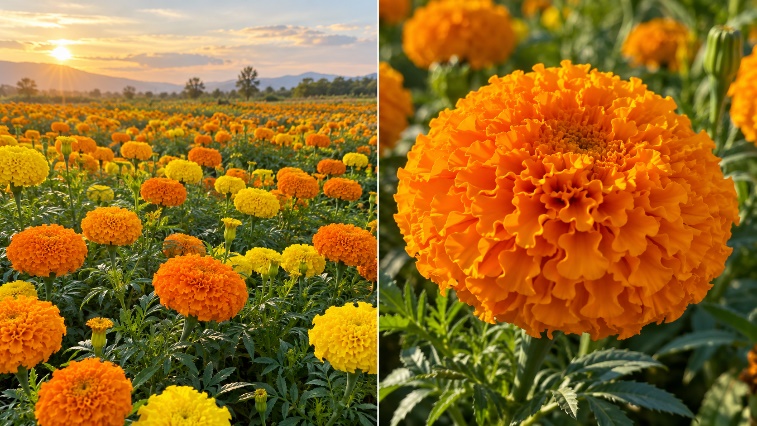
A representative example is the presentation on African marigold (Tagetes erecta), which examines its flowers for their possible role in visual adaptation to darkness.
This subject makes it possible to explore the relationship between carotenoid pigments, especially lutein and zeaxanthin, and visual function.
These compounds contribute to macular pigment and are studied for their role in retinal protection, light filtering, and certain aspects of visual performance.
The presentation is relevant to people whose activities place demands on eyesight under low-light conditions.
Research on macular carotenoids offers reference points for understanding visual protection and functional adaptation. Actual improvements in night vision, however, require separate assessment based on available study findings.
This approach considers African marigolds not only as ornamental plants or sources of natural pigments, but also as relevant plant resources for research into specialized visual processes.
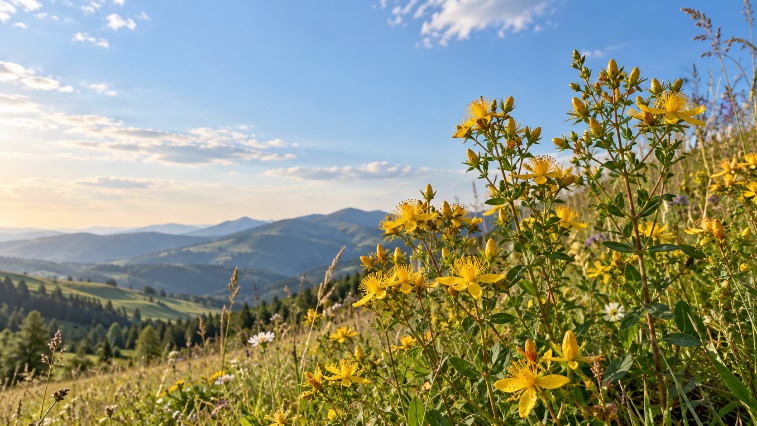
Another interesting subject is spotted St. John’s wort (Hypericum maculatum), studied through its aerial parts for neuroregulatory properties. Its membership in the genus Hypericum makes it possible to compare phytochemical and biological characteristics with other species in the genus while recognizing its distinctive features. Neuroregulatory properties may be explored through processes involved in nervous-system balance, neurochemical mechanisms, and the effects of plant constituents on the body’s responses to demands.
Tissue repair and support for muscle function
The November issue also examines properties related to the structural and functional integrity of the body.
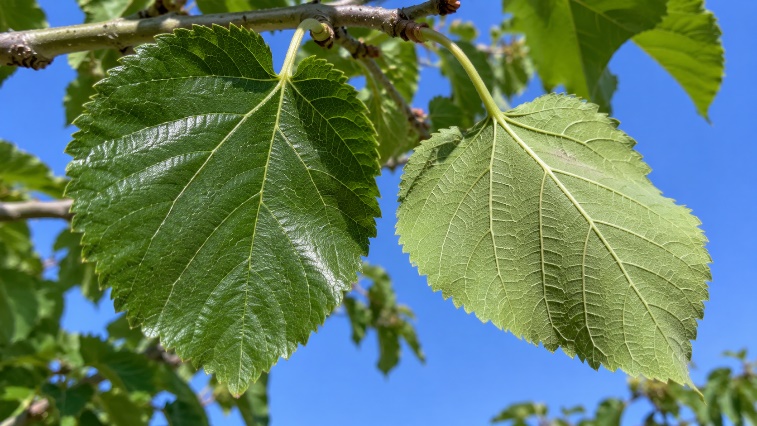
White mulberry, studied through its leaves for tissue-building action, offers an opportunity to investigate links between plant composition and processes involved in maintaining and repairing tissue structures. This includes the possible contribution of various constituents, including phenolic compounds and other bioactive substances, to cellular mechanisms of tissue protection and metabolism. Tissue-building must be distinguished from simple cellular protection or antioxidant activity.
The property concerns processes directly involved in creating, maintaining, or restoring biological structures. This distinction provides a useful framework for assessing available research.
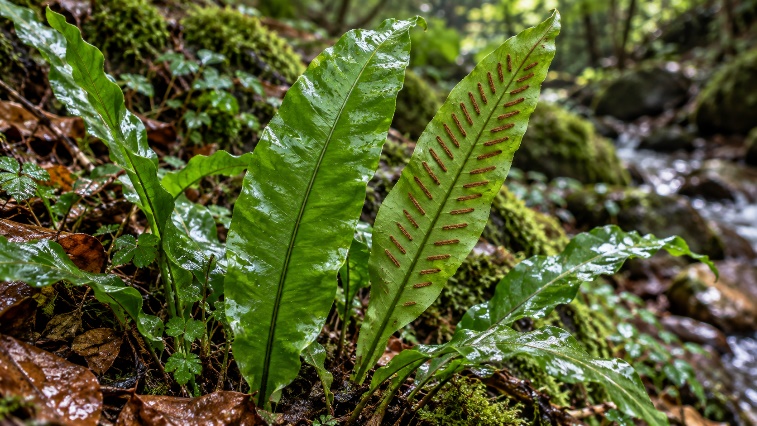
A complementary perspective appears in the presentation on hart’s-tongue fern (Asplenium scolopendrium), whose leaves are examined for muscle-toning properties.
The term refers to supporting muscle tone, which must be distinguished from stimulating muscle contraction, increasing strength, or producing an antispasmodic effect. This terminological distinction helps investigate more precisely how plant resources might influence muscular function. The hart’s-tongue fern presentation explores a fern from an unusual perspective, expanding documentation to species less prominent in contemporary herbal medicine.
Respiratory protection, antimicrobial activity, and metabolic regulation
Another group of presentations addresses properties relevant to protecting the body and maintaining functional balance.
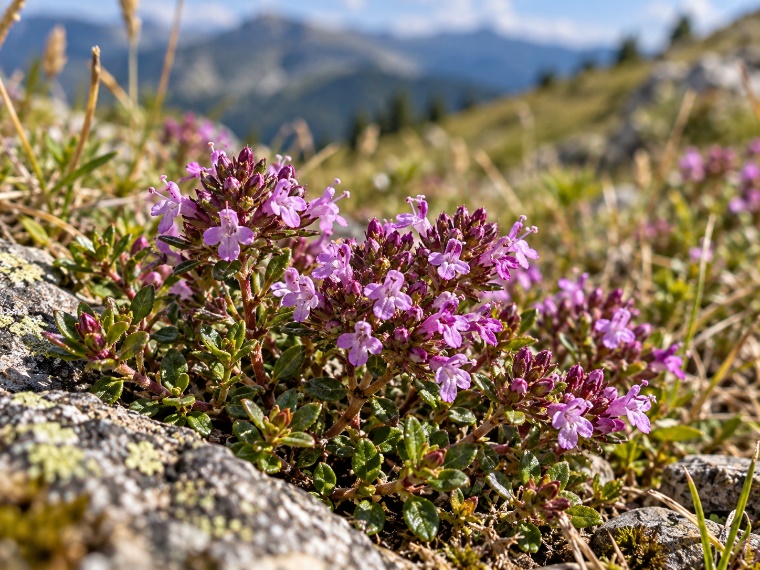
Wild thyme (Thymus serpyllum), studied through its aerial parts, is an aromatic plant whose antimicrobial properties can be investigated through essential-oil composition and the activity of constituents such as thymol and carvacrol. Experimental studies of these compounds help explain mechanisms that may affect microbial cell membranes and functions.
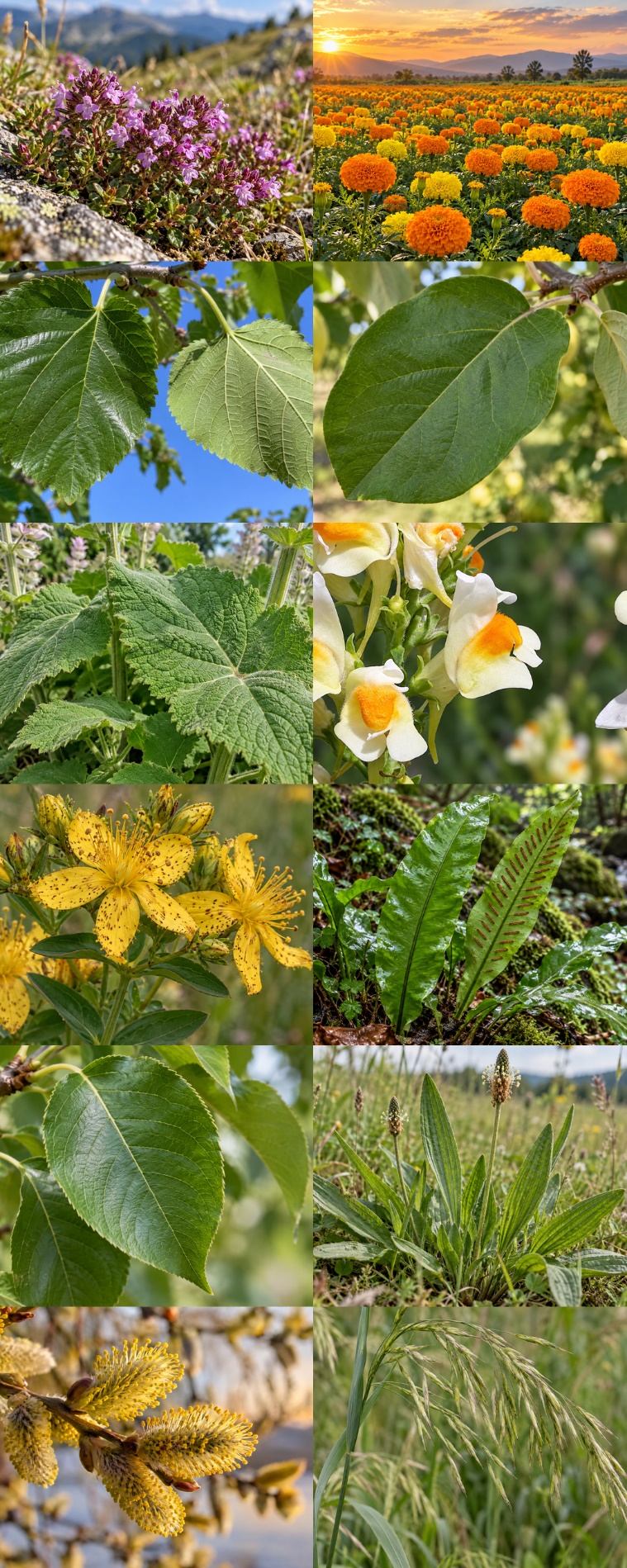
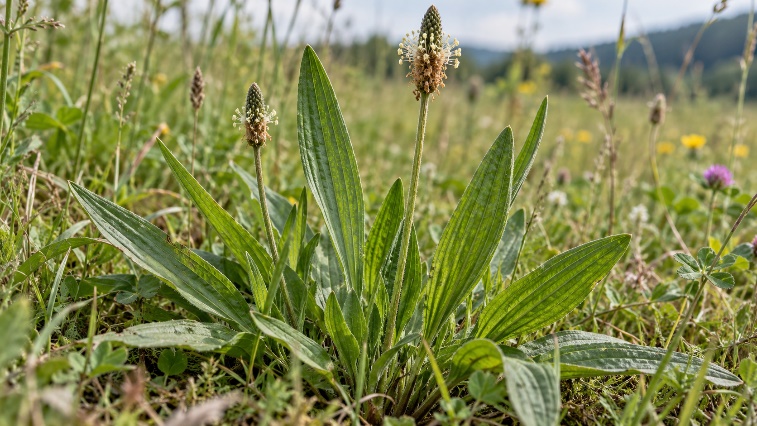
Ribwort plantain (Plantago lanceolata), presented through its leaves for respiratory emollient properties, provides a different perspective on airway protection.
Mucilaginous compounds and other plant constituents may be examined in relation to protecting mucous membranes and reducing local irritation. The focus here is respiratory protection and comfort, distinct from direct antimicrobial action.
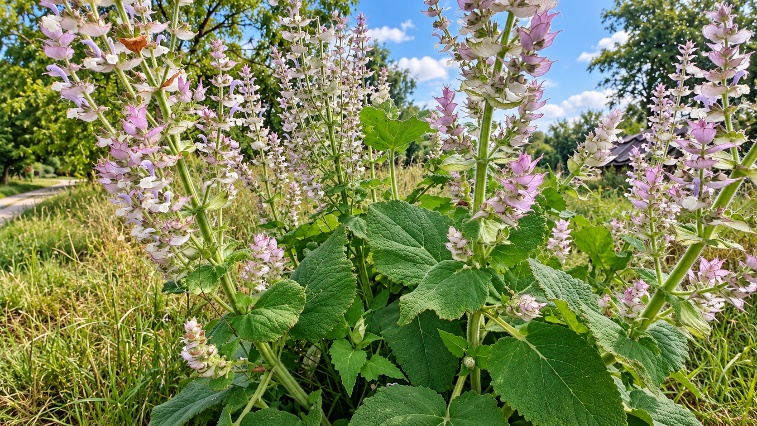
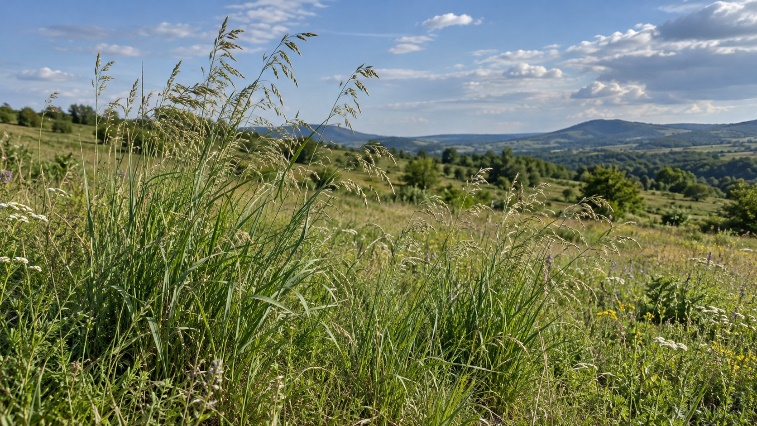
The presentations on clary sage and smooth brome complement this topic by exploring antimicrobial and anti-infective properties.
It is important to distinguish these functions: antimicrobial activity may be studied directly against microorganisms, whereas anti-infective action involves a more complex range of biological processes, including the body’s responses.
Metabolism and urinary function are addressed in presentations on pear (Pyrus communis), studied through its leaves for urinary-stone-dissolving properties, and willow (Salix alba), studied through its catkins for antihyperuricemic effects.
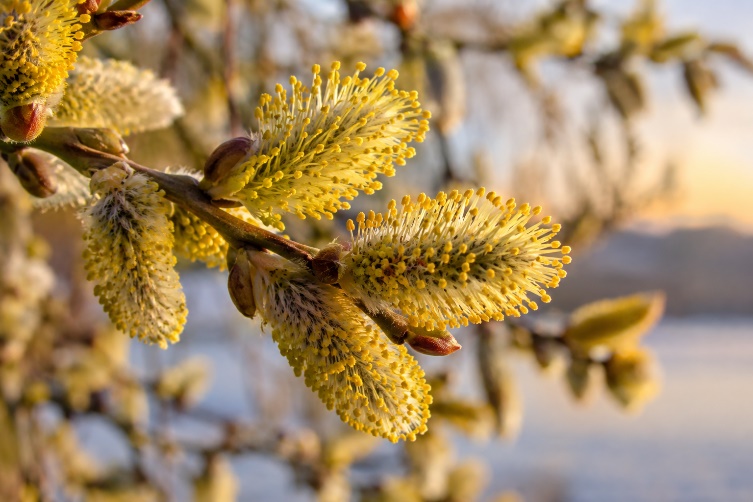
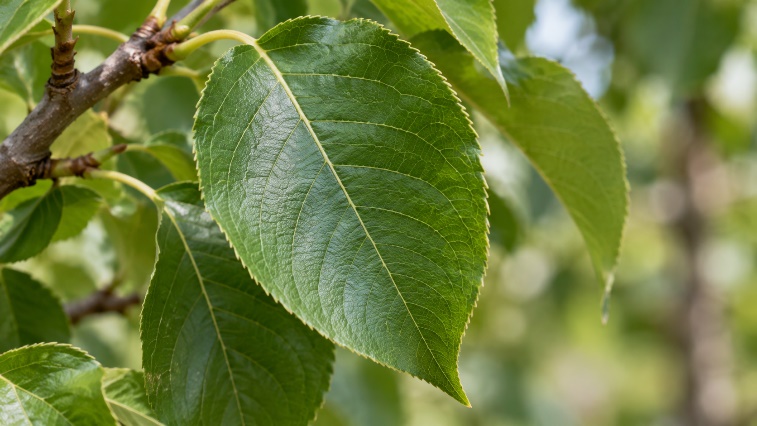
These two topics allow different processes to be examined, some of which may share metabolic connections. Urinary-stone-dissolving activity concerns effects on stones and the processes involved in their formation or modification, whereas antihyperuricemic action aims to lower uric-acid concentration. The two require distinct research evidence and are not equivalent.
The educational value of uncommon properties
A characteristic of the November issue is its use of functional terms less common in general medicinal-plant presentations: low-light visual adaptogen, tissue-building, neuroregulatory, muscle-toning, lymphatic deobstructing, urinary-stone-dissolving, and antihyperuricemic. These terms provide reference points for studying specific biological processes but require careful definitions so readers understand what each actually means.
The presentations also identify potential mechanisms and how far those mechanisms are supported by available research.
In this way, Plantheonia helps develop a differentiated herbal medicine vocabulary, with properties carefully examined in relation to relevant biological functions and mechanisms.
Another important characteristic is the interest in less-studied plant parts. The leaves of quince, mulberry, and pear, willow catkins, and hart’s-tongue fern leaves show how a familiar species may be studied differently from its commonly used parts.
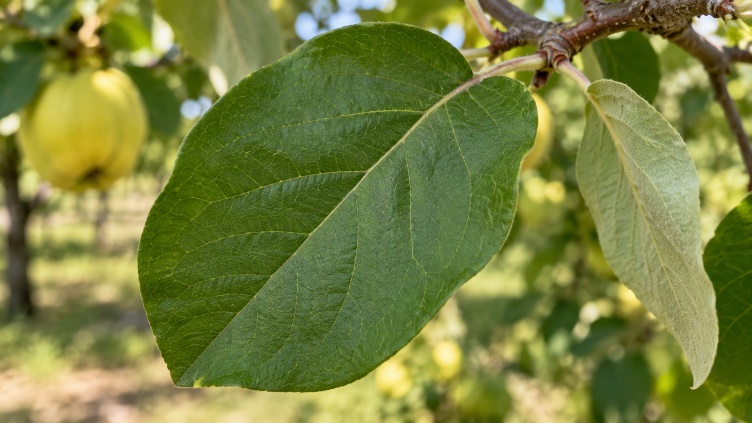
This approach matters in pharmacognosy because different plant organs may have distinct phytochemical compositions.
Plantheonia: An educational collection that continues to grow
With the November 2026 issue, Plantheonia expands its collection of video presentations and continues building a documented resource organized around consistent principles.
Plantheonia’s value lies not only in each presentation’s content but also in the ability to connect material published in different issues. A property studied in one issue can be compared with the same property in other plants, while a species may later be revisited through a different plant part or function.
The collection develops as an information network supporting comparative study, the recognition of shared mechanisms, and deeper understanding of each plant resource.
Another advantage comes from the feature „Build Your Own Plant Package”, available on the Ayush Cell Romania platform. It allows users to choose at least twelve video presentations from the entire collection, regardless of publication month, to create a personalized issue.
Users can create packages devoted to neuroregulatory plants, antimicrobial properties, respiratory function, metabolism, or other interests. Each selected presentation costs 1 RON, and the personalized package can be watched for twelve days.
This flexibility turns the magazine from a sequence of monthly issues into an educational tool that can be explored using multiple criteria according to each user’s aims and interests.
The November 2026 issue thus adds twelve presentations and, above all, twelve perspectives on distinct plant properties. Topic diversity, attention to less-familiar plant parts, and links between traditional information and contemporary research strengthen a study method that values accurate documentation, understanding mechanisms, and continuing exploration of plant resources.
Plantheonia thus establishes its identity as an open educational project, with every new presentation contributing to existing knowledge and allowing new associations, comparisons, and opportunities for deeper study.
Video presentations are accessed through the Ayush Cell Romania platform and require signing in. The collection can be explored through monthly issues or the personalized selection feature, allowing users to organize their own study programs.
Selective access to each monthly issue:
ayushcell.ro/prezentari_plante_medicinale
