| 1 | Ayurveda Day 2026 in Romania: A celebration of dialogue between tradition, research, and knowledge |
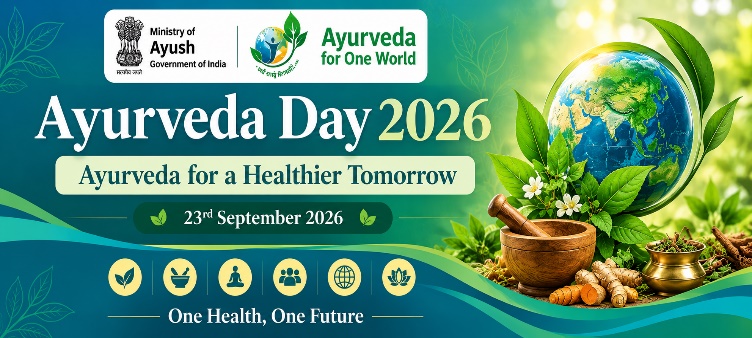
The international event organized by AYUSH Cell Romania on September 23, 2026 brought together specialists from Romania, India, and the United Kingdom, highlighting new perspectives in medicinal-plant research and Ayurveda’s contribution to a healthier future.
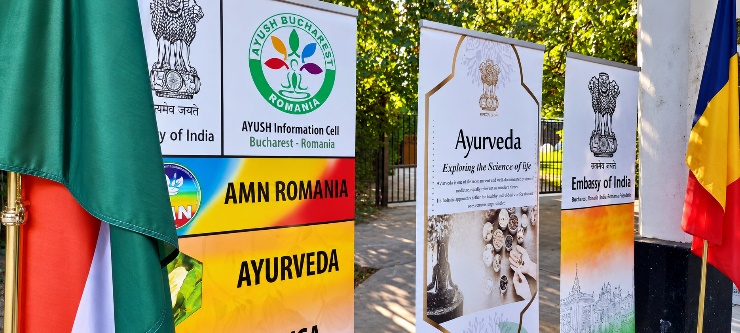
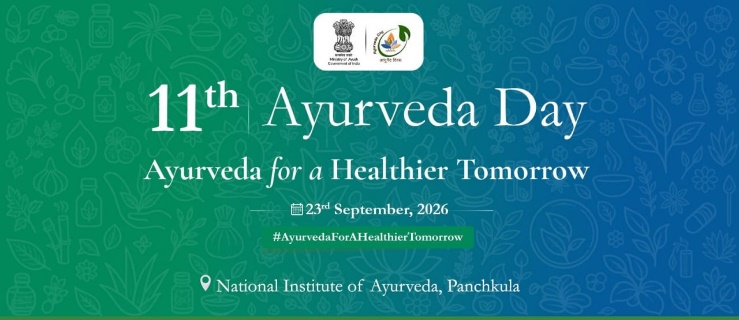
On September 23, 2026, the AYUSH Cell Romania Information Center organized an international online event celebrating the eleventh Ayurveda Day, devoted to promoting Ayurvedic knowledge and highlighting its contribution to human health and well-being. The event brought together specialists and guests from Romania, India, and the United Kingdom.
This year’s theme, “Ayurveda for a Healthier Future,” provided the framework for presentations and discussions. The event in Romania highlighted a direction promoted by India’s Ministry of AYUSH: advancing research, strengthening scientific evidence, and encouraging innovation in Ayurveda.
Since 2025, Ayurveda Day has been celebrated annually on September 23, a date established by the Government of India to replace the previously variable day associated with Dhanteras. Its proximity to the autumn equinox symbolically emphasizes balance and harmony, fundamental principles of traditional Ayurvedic knowledge.
The Romanian celebration was distinctive in the diversity of subjects and concrete results of cooperation between Romanian and Indian specialists. It explored clinical research, possibilities for studying and acclimatizing medicinal plants, and the development of publishing projects.
An important moment was the dialogue between Professor Sadhana Misar (Wajpeyi), PhD, of India, and researcher Sorina Nițu (Năstase) of Romania, which outlined new opportunities for cooperation in studying plant resources.
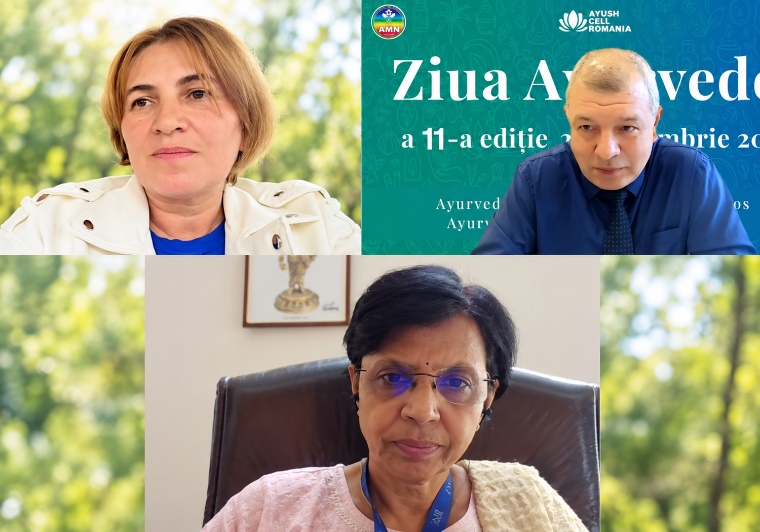
The discussion highlighted a promising research direction: combining Romanian agronomic experience and Indian Ayurvedic knowledge in joint scientific projects.
Ayurvedic tradition and contemporary research: Two complementary directions
Opening the event, Andrei Gămulea, coordinator of AYUSH Cell Romania, introduced the main directions of the 2026 celebration, emphasizing constructive dialogue between Ayurveda’s traditional heritage and contemporary scientific research tools.
“Ayurveda for a Healthier Future” was considered in relation to current opportunities for deepening Ayurvedic knowledge, particularly research on medicinal plants.
In the Ayurvedic tradition, Dravyaguna provides a complex system for analyzing plant properties, taking into account taste, qualities, potency, post-digestive transformation, and specific actions.
Contemporary research adds the ability to identify phytochemical constituents, investigate molecular and enzymatic mechanisms, and evaluate biological activity through experimental and clinical studies.
The need for rigorous correlation between these approaches was emphasized. Traditional Ayurvedic observations may help formulate new hypotheses, while modern research methods can examine, confirm, or delimit their applicability.
This approach requires constant differentiation between traditionally attributed properties, experimental results, identified biological mechanisms, and effects confirmed through clinical research.
Romania has valuable botanical heritage that can support interdisciplinary research in cooperation with academic institutions in India.
Studying plants from Romanian flora using Ayurvedic principles may generate original research directions, especially when complemented by botanical, agronomic, and pharmacological expertise.
The methodology of the “Plantheonia” publishing project was also highlighted. It systematically analyzes plants using three clearly defined elements: plant species, part used, and property investigated.
This method makes it possible to develop coherent research connecting traditional observations with phytochemical data and contemporary results while distinguishing the appropriate level of certainty for each type of information.
Cooperation with India: From academic exchanges to joint research programs
A significant portion of the opening address focused on developing cooperation between AYUSH Cell Romania and Indian institutions.
The experience gained through these partnerships shows the potential for projects bringing together traditional Ayurvedic studies, medicinal-plant research, and expertise from different fields.
International cooperation is therefore a process in which each partner contributes its resources and capabilities.
Indian institutions bring accumulated academic and clinical experience in Ayurveda, while Romanian specialists contribute research into local botanical heritage, cultivation techniques, documentation of European herbal traditions, and systematic methods of analysis based on Ayurvedic principles.
Such reciprocal exchange creates opportunities for innovative interdisciplinary research in which traditional observations are examined using appropriate experimental and clinical methods. Andrei Gămulea noted that the Ministry of AYUSH’s emphasis on research and innovation aligns with directions already developed in Romania. AYUSH Cell Romania’s activities aim both to present Ayurveda’s traditional foundations and to explore how scientific cooperation can deepen understanding of them.
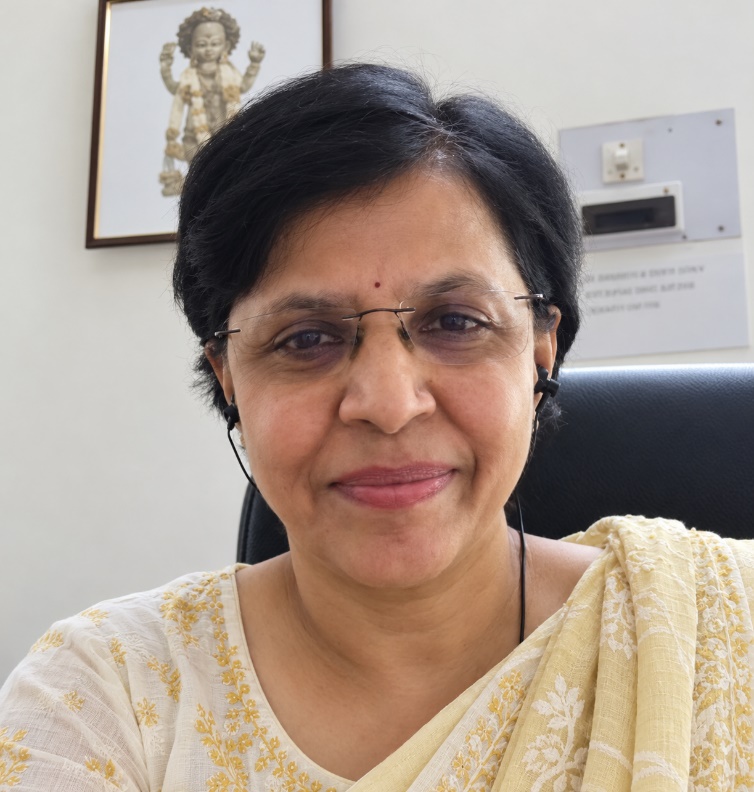
Prospects were noted for expanding cooperation to projects linking agronomic research in Romania with pharmacological investigations in India.
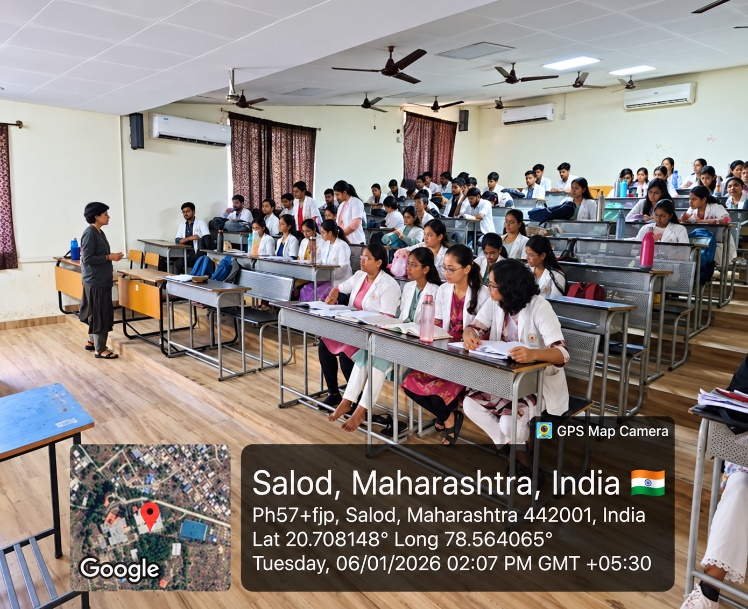
The event’s first guest was Professor Sadhana Misar (Wajpeyi), PhD, Head of the Kaya-Chikitsa Department at Mahatma Gandhi Ayurveda College, Hospital and Research Centre, Salod, Wardha, part of India’s Datta Meghe Institute of Higher Education and Research. Her work combines university teaching, clinical practice, and Ayurvedic research, and her cooperation with AYUSH Cell Romania has grown through lectures and research projects. Her presentation emphasized Ayurveda’s contribution to preventive, integrative approaches to health.
Drawing on the fundamental aims of Ayurveda, the professor explained that protecting the health of healthy people and addressing existing conditions are complementary aspects of Ayurvedic practice.
From the Kaya-Chikitsa perspective, clinical assessment involves carefully examining both the illness and the person affected. The principles of roga and rogi, referring to disease and patient, were discussed alongside evaluation of dosha-dhatu-mala balance and the importance of agni, the principle of metabolic transformation.
A major focus was individualized intervention based on constitution, metabolism, diet, living conditions, and psychological and mental state. Dinacharya and ritucharya, relating to daily and seasonal routines, and sadvritta, harmonious conduct, were explained. These principles were connected with prevention of metabolic disorders and the need for early action on risk factors.
Professor Sadhana Misar (Wajpeyi) also discussed prospects for clinical research through randomized studies, pragmatic research, systematic reviews, and standardized protocols.
She highlighted opportunities offered by digital tools, artificial intelligence, electronic health records, and remote monitoring, with due attention to safety, validation, and professional responsibility.
The discussion with Professor Sadhana Misar (Wajpeyi) continued with a review of cooperative activities between September 2025 and September 2026.
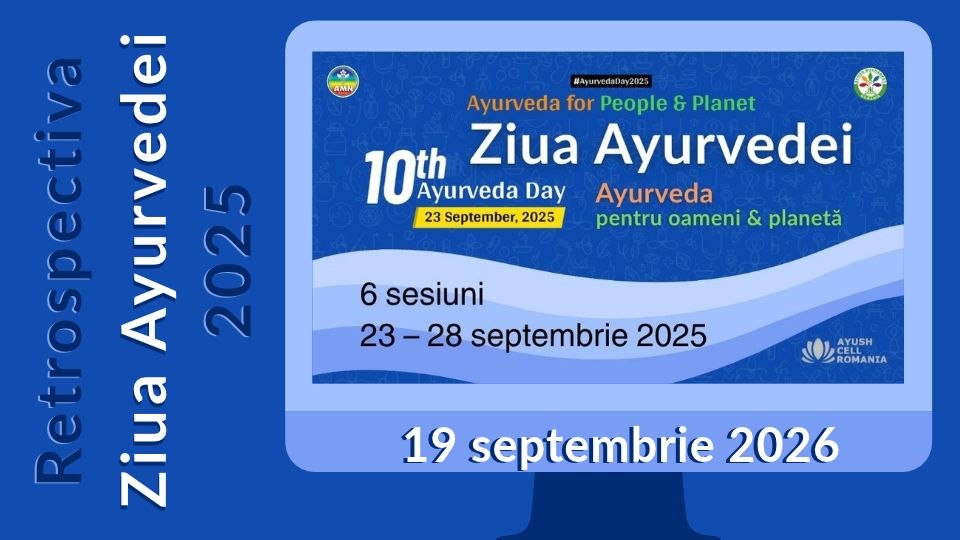
An important result was the preparation of two research protocols submitted for scientific evaluation and review. Feedback and proposals from this process helped improve the documentation, with one protocol moving toward publication.
Andrei Gămulea’s lecture within the introductory program for postgraduate students at the university in Wardha was also mentioned. It addressed the properties of natural substances and their mechanisms of action, contributing to academic dialogue on systematic analysis of plant resources.
Another concrete result was the acceptance for publication of a jointly authored paper, mentioned by Professor Sadhana Misar (Wajpeyi). Prospects for further educational activities, including quiz-style knowledge contests, and the continuation of joint research projects were also discussed.
An editorial landmark of this cooperation is the professor’s interview for the inaugural “Interviews” section of “Ayurveda Agenda,” covering Ayurvedic practitioner training, contemporary research, and opportunities for international academic cooperation.
Together, these achievements demonstrate the progressive development of cooperation spanning university education, protocol preparation, publishing, and scientific research.
Medicinal-plant research: A new direction for Romanian–Indian cooperation
One significant part of the event was a discussion with researcher Sorina Nițu (Năstase) of the Research and Development Institute for Grasslands in Brașov (ICDP Brașov), a specialist in medicinal and aromatic plants. Her work includes plant biology and morphology, introducing species into cultivation, and developing cultivation technologies. She described work on conserving biodiversity and cultivating plant species endangered in the wild.
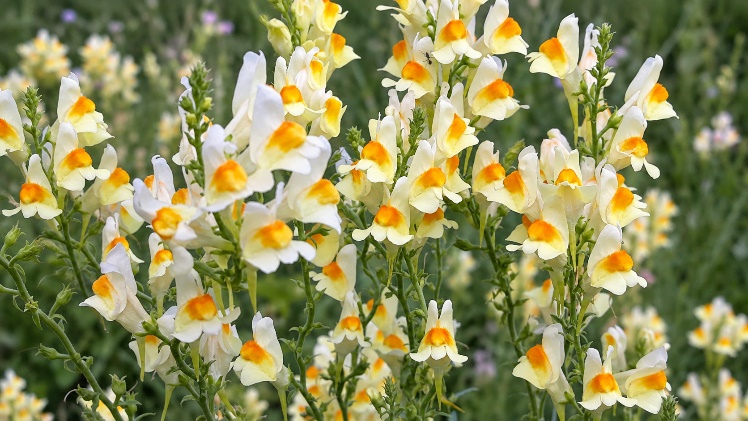
Plants under investigation include Arnica montana L., species in the genus Linaria Mill, and varieties of Jerusalem artichoke, Helianthus tuberosus L., brought from the Republic of Moldova and studied for acclimatization.
Earlier studies of Senna alexandrina Mill., formerly known in botanical literature as Cassia angustifolia Vahl, were also discussed. Favorable results had been obtained in trials introducing it into cultivation near Brașov.
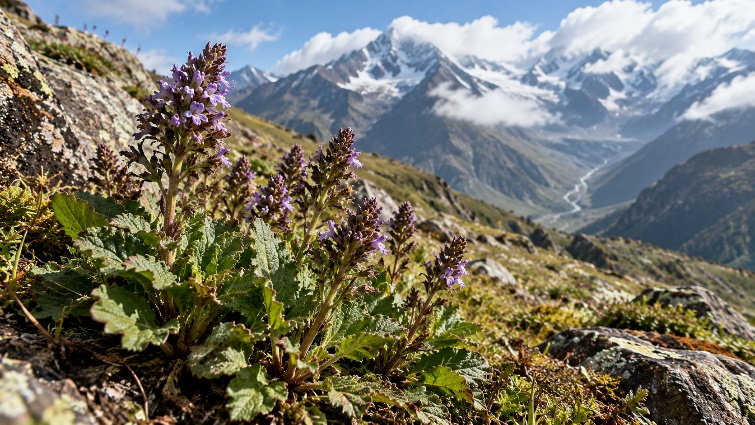
An important objective is developing cultivated varieties with high, consistent concentrations of active constituents. Selection, breeding, and appropriate cultivation methods seek to reduce harvesting from wild plant populations, especially rare or protected species.
This has important ecological implications. Controlled cultivation of medicinal plants can protect biodiversity while producing plant resources with reproducible characteristics suitable for research.
The discussion also highlighted the need to consider cultivation and harvesting conditions when assessing medicinal plants. Soil characteristics, climate, harvesting time, and growing methods can affect phytochemical composition and therefore research findings. This observation aligns with Andrei Gămulea’s earlier emphasis on precise identification of the plant resource studied and the factors determining its properties.
The dialogue between Professor Sadhana Misar (Wajpeyi) and researcher Sorina Nițu (Năstase) opened opportunities for combining Romanian agronomic expertise with Ayurvedic research in India. Plants of interest to Ayurvedic research were mentioned, including Picrorhiza kurrooa Royle, traditionally known as kutki, and Andrographis paniculata (Burm.f.) Wall. ex Nees, known in Ayurveda as kalmegh.
These plants were discussed in connection with research on lipid metabolism, liver function, and blood-pressure regulation — fields of interest for projects at the university in Wardha. Research on khadira, a traditional Ayurvedic plant resource, was also considered.
Andrei Gămulea recalled earlier attempts to acclimatize Withania somnifera (L.) Dunal, or ashwagandha, in Romania. Some specimens grown in protected environments survived and yielded plant material for further research.
Of particular interest was examining how acclimatization influences phytochemical composition. A plant’s adaptation to ecological conditions outside its normal range can alter physiological and metabolic characteristics, making appropriate analysis essential when introducing it into cultivation.
Sorina Nițu (Năstase) mentioned a collection of approximately 50 plant species, mainly from Romanian wild flora but also including species brought from elsewhere and acclimatized.
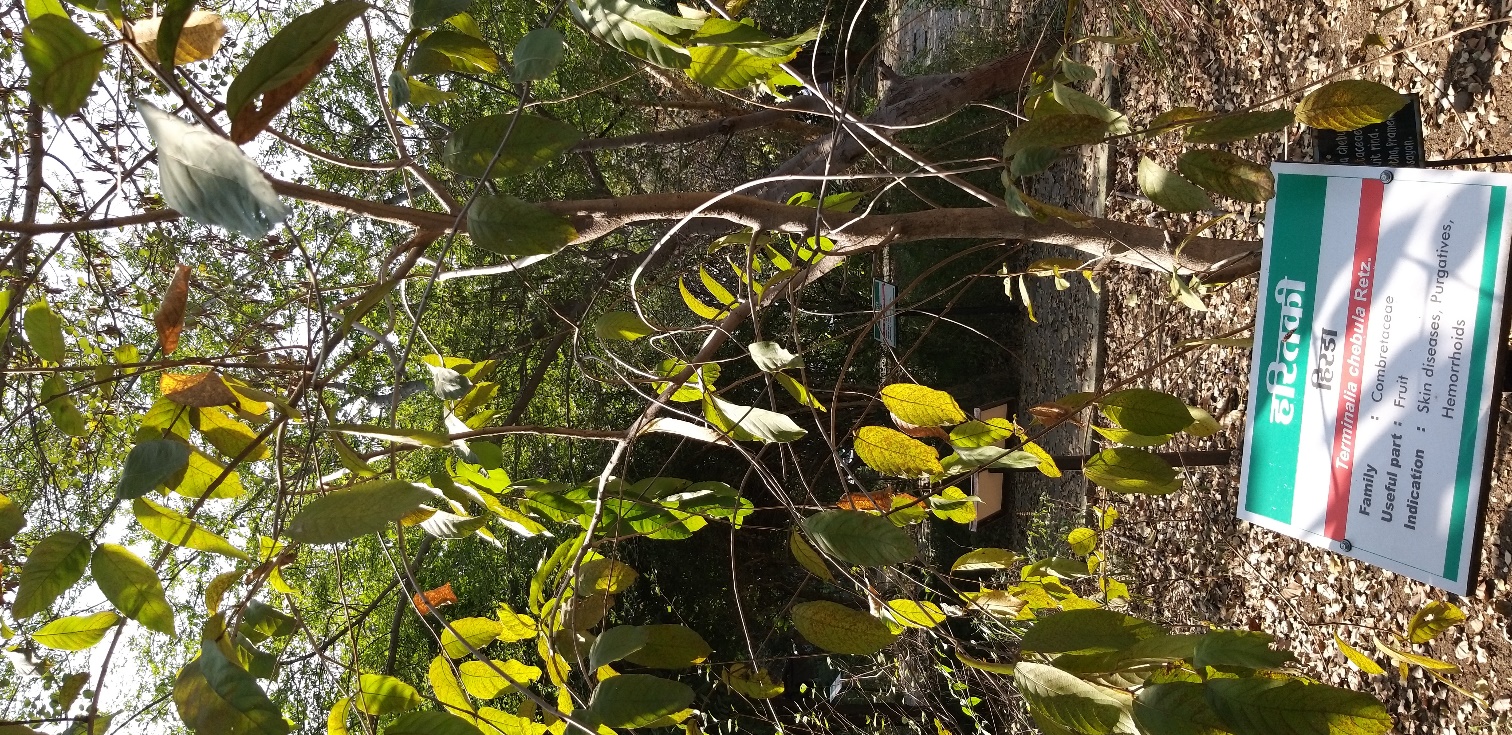
Possibilities were considered for exchanging seeds and plant material and conducting joint research on plants of interest to specialists in both countries.
Professor Sadhana Misar (Wajpeyi) confirmed the existence of a botanical garden at the university in Wardha and expressed openness to reciprocal exchanges, including the study of Romanian plants in India.
The meeting therefore suggested cooperation in which selected plants cultivated in Romania could subsequently be analyzed through phytochemical and pharmacological methods at Indian research institutions.
Conversely, plants used in the Ayurvedic tradition could be studied in Romania for their adaptability to local ecological conditions and the development of appropriate cultivation methods. This direction is valuable both for plant conservation and new research built on complementary expertise.
Such a project could also help establish comparative collections of plant material for studying ecological influences on phytochemical composition and biological characteristics.
“Plantheonia”: A publishing project devoted to plant knowledge
In connection with these themes, participants were introduced to the expanded structure of the “Plantheonia” Digital Educational Magazine, devoted to the systematic study and presentation of medicinal and aromatic plants.
The online publication “Plantheonia” brings together information from the Ayurvedic tradition, Romanian and European herbal medicine, and contemporary botanical, agronomic, phytochemical, and pharmacological research worldwide.
Materials are organized around precise identification of the plant species, part used, and property investigated, complemented by phytochemical composition, biological mechanisms, and available research findings. This structure facilitates comparative exploration of plant resources and the formulation of new research directions based on traditional descriptions and current experimental evidence.
A complementary view of Ayurveda Day was offered by Brahma Kumari Jasulatva, a raja-yoga meditation teacher from London with more than four decades of experience in international educational programs.
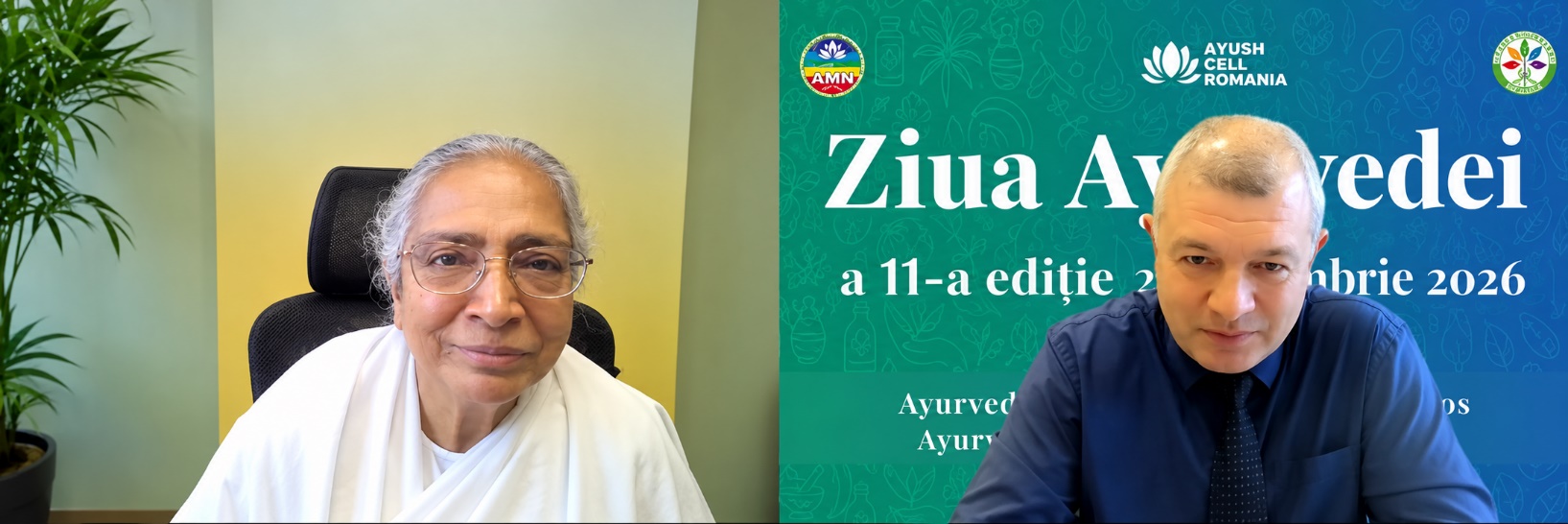
In her September 23 address, Brahma Kumari Jasulatva emphasized harmony between body, consciousness, and soul, awareness of personal thoughts, and transforming constructive intentions into concrete actions.
An important part of her talk concerned daily rhythms and setting aside time for meditation, reflection, and consciously directing activities. Meditation was presented as a way to develop inner stability and respond harmoniously to everyday situations. She also addressed the relationship with nature and the symbolic meanings of the five fundamental elements: earth, water, fire, air, and space. In her presentation these were associated with stability, flexibility, love, vitality, and openness of consciousness.
The discussion highlighted points of contact between raja-yoga practice and Ayurvedic concerns about psychological and mental dynamics.
Andrei Gămulea referred to the Ayurvedic concept of atattva-abhinivesha, studied in the Manasa-Jnana and Pravritti-Jnana disciplines of Ayurveda courses in Romania.
This reference highlighted opportunities to explore parallels between methods of cultivating consciousness and traditional Ayurvedic principles of cognitive processes and conduct. The presentation complemented the program by focusing on harmony between inner life, everyday activities, and the natural environment.
New contributions to future international meetings
The international dialogue begun during Ayurveda Day 2026 will continue with specialists who have expressed interest in participating in future meetings.
Among them is Professor Punam Sawarkar, PhD, of India, a Pancha-Karma specialist involved in university teaching and research at Mahatma Gandhi Ayurveda College. Her expertise offers opportunities to explore traditional pancha-karma methods, clinical research, and the integration of Ayurvedic knowledge into contemporary medical education.
Manish Deshmukh has also expressed willingness to participate in future collaborative activities, including educational and publishing projects on medicinal plants and Ayurvedic pharmacology.
These prospects contribute to the continuity of international dialogue and expand the areas of cooperation between Romanian and Indian specialists.
The event of September 23, 2026 highlighted a commitment to developing Ayurvedic knowledge that values tradition, encourages research, and promotes cooperation between specialists in complementary fields.
Professor Sadhana Misar (Wajpeyi) emphasized prevention, individualized care, and stronger scientific evidence. Discussion with researcher Sorina Nițu (Năstase) opened possibilities for studying plant resources, acclimatizing medicinal plants, and conserving biodiversity. Brahma Kumari Jasulatva added a perspective on inner balance and cultivating consciousness.
One particularly important result was the identification of potential cooperation between Romanian agronomic research and Indian universities, from selecting and growing plants to examining phytochemical composition and studying biological properties.
These directions continue the activities developed by AYUSH Cell Romania. They also create the foundations for a distinct Romanian contribution to contemporary Ayurvedic studies through local botanical resources and the combination of traditional and scientific expertise. In this context, “Ayurveda Agenda” and “Plantheonia” are important channels for documenting and sharing findings and informing the public about ongoing projects in Romania.
Ayurveda Day 2026 provided an opportunity to review recent achievements and identify new directions for international cooperation. The diverse contributions showed how Ayurvedic tradition and contemporary research can jointly deepen understanding.
The theme “Ayurveda for a Healthier Future” found concrete expression in the projects, discussions, and initiatives presented, providing a reference point for continued educational and scientific work in Romania in cooperation with India.