Ayurveda Day 2026 – “Ayurveda for a Healthier Tomorrow”
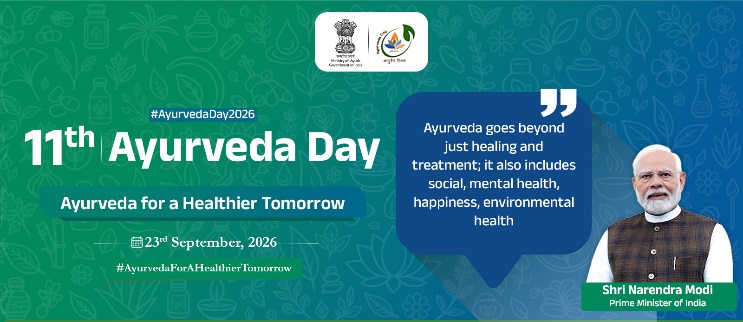
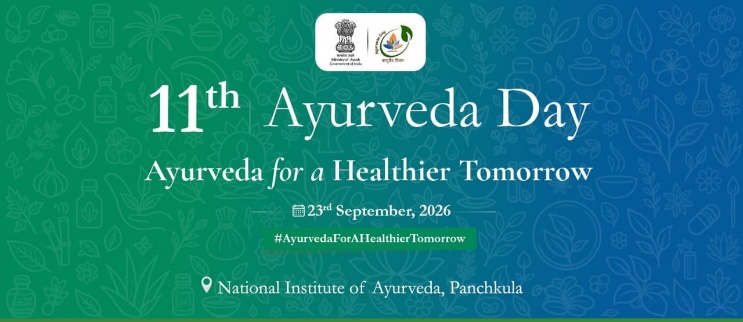
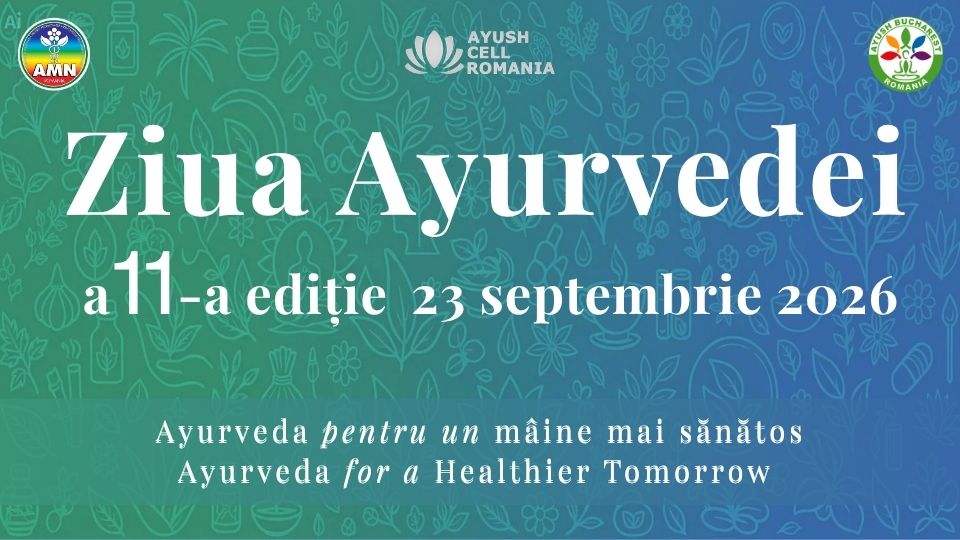
On September 23, 2026, the 11th Ayurveda Day offers an opportunity to forge strong connections between tradition, research, innovation, and the health of the future, as part of a celebration that has taken on an extensive international dimension.
September 23, 2026, marks the 11th Ayurveda Day, an event launched by the Government of India in 2016 that has become one of the most important international celebrations dedicated to promoting traditional Ayurvedic knowledge over the past decade.
The theme chosen by the Ministry of Ayush for 2026 is “Ayurveda for a Healthier Tomorrow,” and the main celebration will take place in Nagpur, Maharashtra.
Ayurveda is a broad system of knowledge that can contribute to contemporary dialogue on prevention, lifestyle, nutrition, balance, sustainability, and people's relationship with the environment.
The chosen theme reflects India's current direction for developing Ayurveda: preserving its traditional foundations while connecting them to contemporary research, innovation, preventive healthcare, integrative care, and the real needs of communities in different regions.
India's Ministry of Ayush considers the 2026 edition an opportunity to go beyond an anniversary celebration and become a broad public health communication campaign conveying clear, accessible, practical information. Ayurveda Day thus represents a shift from celebrating a tradition to affirming its contemporary relevance.
Three main priorities for 2026
The Ministry of Ayush has identified three priorities for this year's campaign. The first, “Integrative Healthcare for Better Health Outcomes,” seeks to draw on experience from different medical systems and develop an integrative dialogue focused on improving health outcomes. The second, “Evidence, Research and Innovation in Ayurveda,” positions research, evidence, and innovation as essential to future development and wider international acceptance. The third, “Ayurveda for Community Wellbeing and Sustainable Living,” broadens the perspective to include individual, family, and community health and the cultivation of a sustainable lifestyle.
These priorities clearly explain the meaning of “Ayurveda for a Healthier Tomorrow.” The future of health is viewed more broadly than disease treatment. Appropriate nutrition, healthy daily habits, mental balance, prevention, and a harmonious relationship with nature become parts of an integrated view of life.
The program announced for 2026 also includes the National Dhanwantari Ayurveda Awards, new programs from the National Institute of Ayurveda, documents on medicinal plant safety, standardized treatment guidelines for dermatological conditions, a report on the Ayush services sector, the Ayush Vision 2030 initiative, and new cooperation agreements.
From the first Ayurveda Day to an international celebration
The event's official history begins on October 28, 2016, when the Government of India designated Dhanvantari Jayanti—a traditional festival associated with Dhanvantari and celebrated around Dhanteras—as National Ayurveda Day.
The first theme was “Ayurveda for Prevention and Control of Diabetes.” On that occasion, the “Mission Madhumeha through Ayurveda” initiative was launched along with a national protocol for preventing and managing diabetes through Ayurveda.
From the outset, Ayurveda Day had a broader purpose than a ceremonial celebration. The Ministry of Ayush sought to highlight Ayurveda's distinctive features and resources, strengthen its contribution to health policies and programs, and promote Ayurvedic principles throughout society.
In an official statement in 2020, India's Ministry of Ayush even suggested that Ayurveda Day should be understood more as an opportunity to renew responsibility toward the profession and society than as a mere celebration.
In 2017, the theme of the second edition was “Ayurveda for Pain Management.” The event was linked to a national seminar, the development of standardized Ayurvedic treatment guidelines, and the opening of the All India Institute of Ayurveda in New Delhi, an important milestone for contemporary Ayurveda's academic and clinical infrastructure.
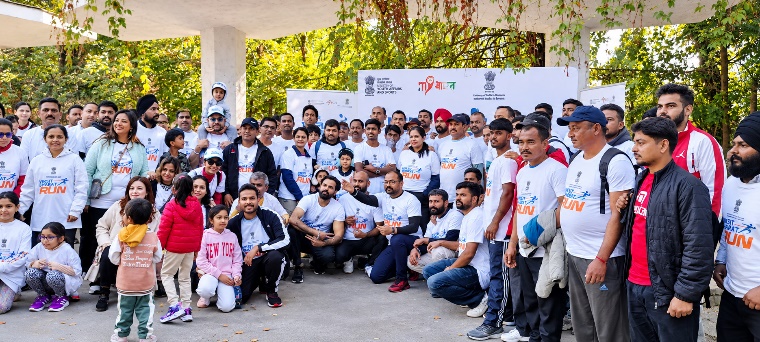
In 2018, “Ayurveda for Public Health” shifted attention to public health. Conferences, exhibitions, educational activities, and an Ayurveda-themed half-marathon initiative were organized in approximately 100 cities, and interested institutions and organizations in India and abroad were encouraged to promote Ayurvedic principles.
The 2019 theme was “Ayurveda for Longevity.” Focusing on longevity highlighted fundamental areas of Ayurveda such as nutrition, lifestyle, sleep, behavioral and psychological balance, and especially Rasayana, the traditional branch devoted to revitalization, regeneration, and vitality.
In 2020, the pandemic brought a change of emphasis. The fifth edition's theme was “Ayurveda for Covid-19,” focusing on Ayurveda's possible role during the pandemic and approaches to supporting immunity.
In 2021, under the theme “Ayurveda for Poshan,” attention turned to nutrition and the potential use of Ayurvedic principles in creating a healthy diet. Educational materials, presentations, and nutrition-related initiatives were developed, and cooperation with the nutrition field became more prominent.
In 2022, the slogan “Har Din Har Ghar Ayurveda”—“Ayurveda Every Day, in Every Home”—emphasized integrating Ayurvedic principles into everyday life. The campaign covered Ayurveda in daily routines, the kitchen, gardens, agriculture, and nutrition, bringing traditional knowledge closer to ordinary activities.
In 2023, “Ayurveda for One Health” placed the celebration in an even broader context. Human health was linked to the health of animals, plants, and the environment, consistent with “Vasudhaiva Kutumbakam” and the idea of shared responsibility for life and nature. Approximately 100 countries were announced as participants in international Ayurveda Day events.
In 2024, “Ayurveda Innovation for Global Health” brought research and innovation to the forefront. Focus areas included noncommunicable diseases, antimicrobial resistance, mental and geriatric health, nutritional disorders, and the health effects of climate change. The celebration's international reach had already expanded considerably, with more than 150 countries involved.
The 2025 theme, “Ayurveda for People & Planet,” continued this expansion by linking human health, ecological balance, and sustainability. That year also brought a historic change to the international Ayurveda Day calendar.
Since 2025, Ayurveda Day has had a fixed date: September 23
For its first nine years, Ayurveda Day was celebrated on Dhanvantari Jayanti, around Dhanteras. Because it followed the traditional calendar, the date varied each year: for example, October 28 in 2016, October 17 in 2017, November 5 in 2018, October 25 in 2019, November 13 in 2020, November 2 in 2021, and October 29 in 2024.
In March 2025, an official notification from the Government of India established September 23 as the permanent calendar date for Ayurveda Day, beginning with the 2025 edition. The Ministry of Ayush explained that the change would give the event a universal calendar identity and make it easier to organize international celebrations. Choosing a date close to the autumn equinox also carries symbolic meaning through the balance of natural cycles, in keeping with the Ayurvedic perspective on the relationship between people and their natural environment.
With September 23 as its fixed date, Ayurveda Day takes on a structure similar to other major international days devoted to knowledge and health, allowing institutions, universities, research centers, diplomatic missions, and organizations worldwide to prepare simultaneously.
Why Ayurveda Day matters
After ten years of development, the event's significance can be understood through its evolving themes. From diabetes and pain management, it moved to public health, longevity, nutrition, everyday life, One Health, innovation, sustainability, and, in 2026, building a healthier future. This evolution shows Ayurveda increasingly presented as a complex science of life in which prevention and health maintenance are inseparable from nutrition, daily rhythms, and nature.
The 2026 edition also comes at an important time for Ayurveda's international development. The Ministry of Ayush highlights increased research, quality standards, international cooperation, and the need for responsible integration into health discussions.
In July 2026, NITI Aayog also published its strategy for Ayurveda's global expansion through 2047, focusing on research, education, regulation, standardization, international collaboration, and service development.
In this context, the message of Ayurveda Day 2026 is one of continuity and openness. Tradition remains the foundation, research enables verification and deeper understanding, and innovation creates new possibilities for application and communication.
Ayurveda Day in Romania – continuing a collaboration begun in 2018
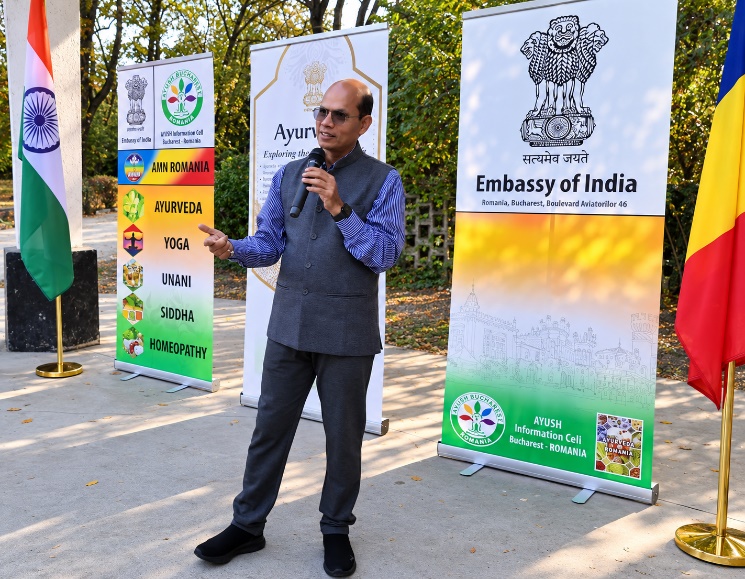
Romania has its own tradition of taking part in this international celebration, beginning in 2018. Ayurveda Day celebrations in Romania were initiated at the encouragement of the Embassy of India in Bucharest and have been organized annually by AMN-Romania as part of the bilateral “Ayurveda in Romania” project, launched that same year during the official visit to Romania of His Excellency Muppavarapu Venkaiah Naidu, then Vice President of the Republic of India.
Over the years, Romanian celebrations have included conferences, thematic presentations, meetings with representatives of the Embassy of India, participation by professors and specialists from Indian academic institutions, talks by Romanian Ayurveda lecturers, presentations of educational and publishing projects, and activities for the public interested in traditional Indian knowledge.
In 2020, under the special conditions of the pandemic, Romania's edition took place online in cooperation with the Embassy of India in Bucharest and with guests from the Datta Meghe Institute of Medical Sciences in India. In 2021, the program grew particularly extensive, bringing together professors and physicians from several Indian academic institutions, Ayurveda lecturers from numerous Romanian cities, and presentations about the new Ayush Cell center in Bucharest.
In subsequent years, this international dimension continued to expand. The 2023 edition, under the global theme “Ayurveda for One Health,” brought together specialists, lecturers, and participants from Romania and India as part of the international program coordinated by the Ministry of Ayush.
In 2025, celebrations continued through activities organized by AMN-Romania and Ayush Cell Romania, with support from the Embassy of India, including educational sessions and presentations focused on the practical application of Ayurvedic principles.
Despite the distinctive features of each edition, the continuity is clear: every year, Ayurveda Day in Romania has provided an opportunity to share traditional knowledge, engage directly with India, bring together the community of teachers and students, and introduce new educational, academic, and publishing projects to the public.
Ayurveda Day is also celebrated in Romania on September 23, 2026
In 2026, Ayurveda Day has additional significance. The celebration takes place on the new fixed international date of September 23, established by the Government of India.
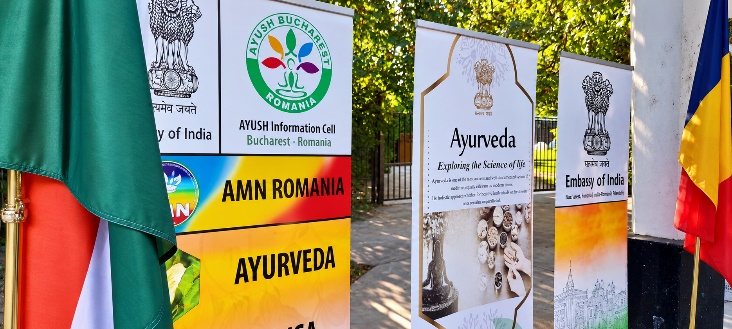
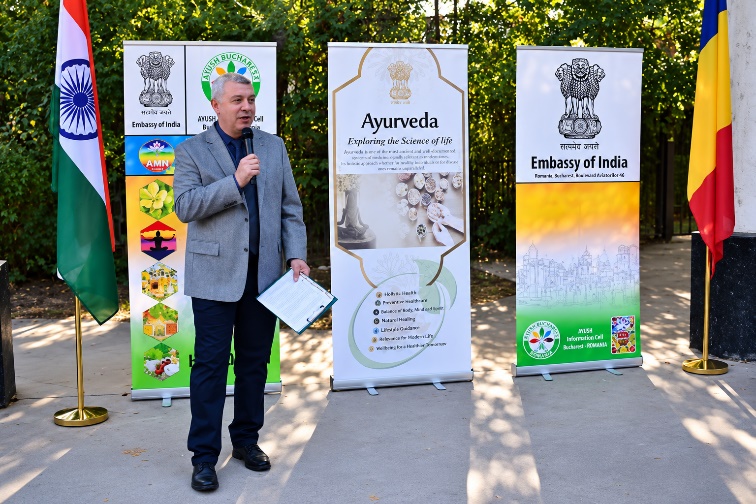
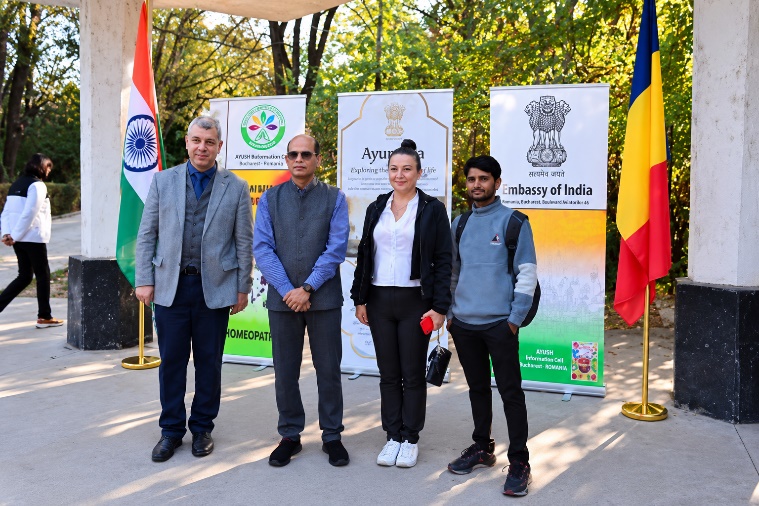
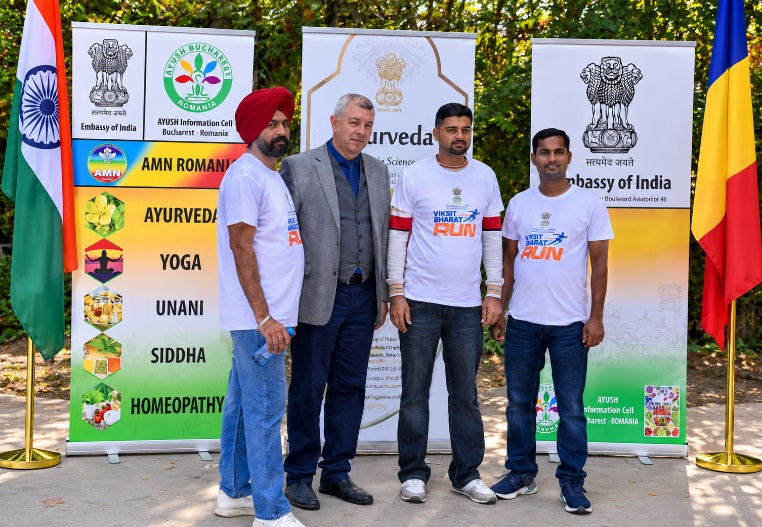
AMN-Romania and Ayush Cell Romania—the AYUSH Information Center in Bucharest—continue the tradition begun in 2018 with an Ayurveda Day event organized in cooperation with the Embassy of India in Bucharest. The event forms part of the broad international initiative coordinated by the Ministry of Ayush and conveys the 11th edition's message in Romania: “Ayurveda for a Healthier Tomorrow”.
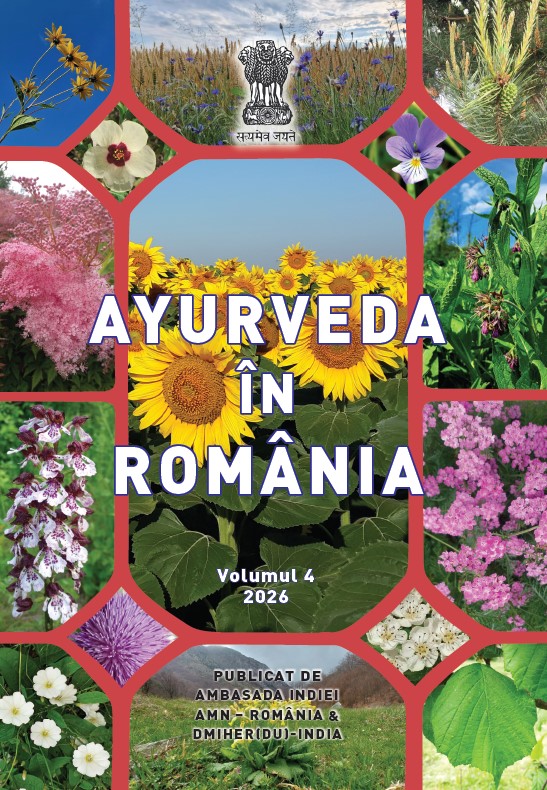
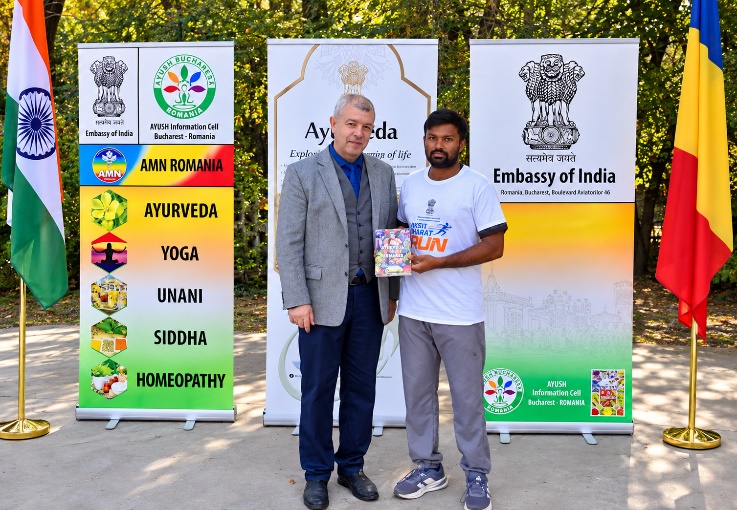
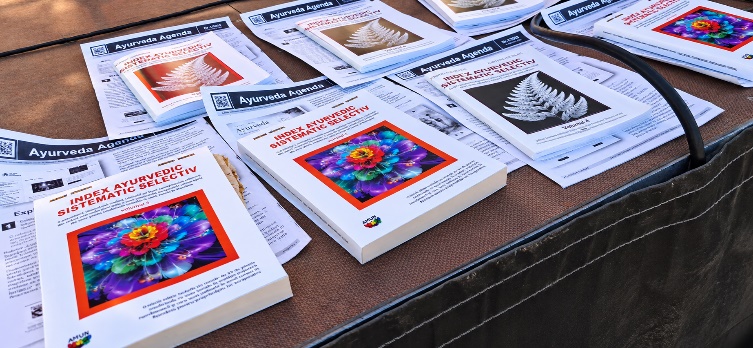
This year's edition also provides a setting for continuing the “Ayurveda in Romania” publishing project with the presentation of Volumului IV, published in Romanian and English editions.
The volume is published by the Embassy of India in Romania in collaboration with AMN-Romania and the Datta Meghe Institute of Higher Education and Research (DMIHER [DU]), India. It continues the project launched in 2018 and documents educational, publishing, and academic cooperation activities undertaken in Romania in recent years.
More than a decade after its beginnings in India and eight years of continuous celebration in Romania, Ayurveda Day has acquired a significance beyond an anniversary. It has become an annual opportunity to assess progress, reaffirm the value of traditional Ayurvedic knowledge, and open new avenues of research, education, and international cooperation.
The message chosen for 2026 expresses this continuity. A “healthier tomorrow” requires both responsible use of what Ayurvedic tradition has preserved over centuries and a willingness to research, verify, communicate, and adapt that knowledge to present needs.
2
The traditional science of Ayurveda at Asia Fest 2026 in Bucharest
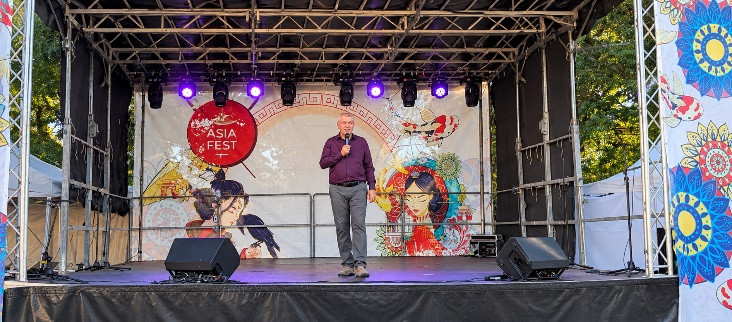
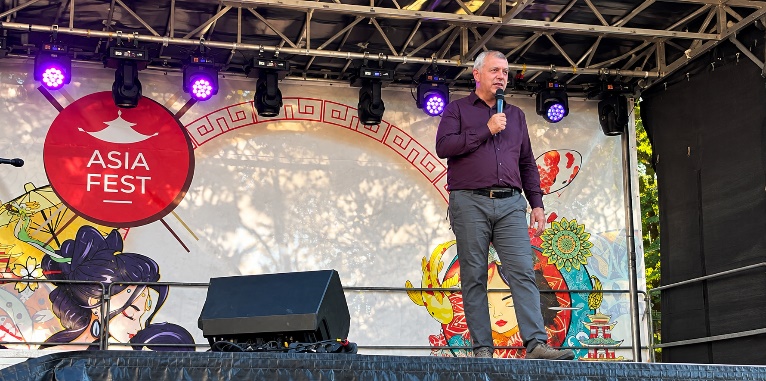
Three live presentations by Andrei Gămulea introduced the public to Ayurvedic constitutional types, medicinal plants, and understanding imbalances among the three doshas.
From September 4 to 6, 2026, the outdoor grounds of Bucharest's National Arena hosted the 13th Asia Fest, one of Romania's largest events devoted to Asian cultures and traditions. For three days, music, dance, food, traditional arts, workshops, demonstrations, and thematic presentations created a dynamic setting in which visitors could explore many expressions of Asia's cultural diversity.
This year's edition brought together more than 200 artists and over 100 restaurants, food trucks, cultural centers, importers, and exhibitors. Japan, South Korea, China, India, Thailand, Vietnam, Nepal, Sri Lanka, the Philippines, Bangladesh, Pakistan, Turkey, Syria, and Lebanon were represented in a program combining traditions with contemporary cultural expressions.
Music and dance performances, K-pop, cosplay, martial arts, and food alternated with calligraphy, origami, tea ceremonies, yoga activities, and presentations of traditional fields of knowledge.
A tradition begun in Bucharest in 2013
Asia Fest already has more than a decade of history in Romania. Its first edition was held in 2013 at Sala Dalles in Bucharest as a shared platform for presenting several Asian cultures. From the start, visitors could sample Indian, Japanese, and Vietnamese food, participate in manga, origami, and Ebru workshops, attend tea ceremonies, and see traditional costumes. The first program even included presentations on traditional Chinese medicine. Over the years, the festival expanded considerably in size and diversity, bringing together thousands of visitors and traditions, arts, and contemporary cultural expressions from numerous Asian countries, including India, in central Bucharest.
Since 2021, the festival has also developed a large outdoor format, allowing greater variety in performances, stalls, and interactive activities.
The 2026 edition continued this development with distinct cultural areas and concurrent activities at several sites. India had a visible presence through the Indian Corner, where visitors could discover Indian cultural elements, henna, saris, Bollywood dance, yoga, spices, and Ayurveda.
Three encounters with Ayurveda
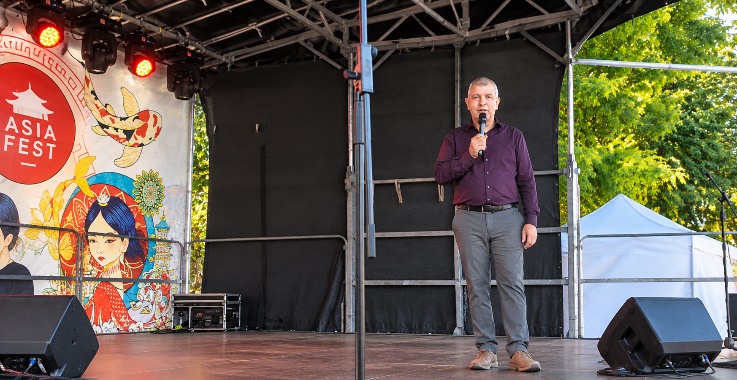
In this multicultural setting, Ayush Cell Romania – AYUSH Information Center, Bucharest participated in the program with three live thematic presentations on Ayurveda delivered by Andrei Gămulea, coordinator of Ayush Cell Romania and president of AMN-Romania.
The three meetings were designed for a general audience and approached Ayurveda from different perspectives, allowing participants to discover its fundamental principles and their applications in daily life.
The first presentation, held on Saturday, September 5, was titled “Ayurveda – Discover Your Dominant Dosha”. It introduced the audience to Ayurvedic constitutional types and the three doshas—vata, pitta, and kapha.
Participants learned how to recognize certain physical, dynamic, and behavioral characteristics and correlate them to gain an initial understanding of their constitution.
The presentation's practical character helped connect a fundamental Ayurvedic concept with participants' everyday experiences.
Knowledge of one's Ayurvedic constitution can be a starting point for understanding individual characteristics and consciously choosing nutrition, activities, and daily rhythms.
On Sunday, September 6, the Ayurveda program continued with the presentation “Ayurveda – Medicinal Plants”. This subject offered an opportunity to highlight one field in which the Ayurvedic tradition connects directly with contemporary interest in natural resources.
The presentation introduced how Ayurveda studies the properties of medicinal plants and the relationship among a plant's characteristics, the individual's constitution, and the purpose for which the plant may be used.
It also created a natural connection between Indian tradition and Romanian efforts to systematically study medicinal plants. From this perspective, plant resources can be understood not only through isolated constituents or properties, but also through the complex relationship between their actions, the individual, context, and the body's functional balance.
The third presentation, “Ayurveda – Dosha Imbalance”, naturally complemented the first session. While constitutional assessment recognizes relatively stable characteristics, the study of imbalance focuses on changes resulting from nutrition, activity, environment, daily rhythms, and other factors.
Participants could thus better understand the distinction between Ayurvedic constitution and temporary states of imbalance. This distinction is essential to Ayurveda because it provides a practical framework for observing changes and choosing appropriate measures to restore and maintain balance.
Ayurveda within a broad celebration of Asian cultures
The festival's open, dynamic atmosphere encouraged direct interaction with a diverse public, from people already familiar with Ayurveda to visitors encountering concepts such as dosha, Ayurvedic constitution, or Ayurvedic assessment of medicinal plants for the first time. The talks also served an important educational purpose, offering clear, accessible introductions in a welcoming, participatory setting.
The presence of Ayush Cell România at Asia Fest 2026 was therefore part of its ongoing efforts to promote awareness of AYUSH systems in Romania. Through concrete, approachable topics, the three presentations brought Ayurveda closer to the public, demonstrating how a cultural festival can also become a meeting place for traditional knowledge and an opportunity to develop dialogue between India and Romania.
3
A meeting devoted to Raja Yoga practice with Brahma Kumari Jasu Ladva
On September 12, 2026, Ayush Cell Romania hosted an online meeting devoted to Raja Yoga practice and the role of consciousness, thought, and meditation in cultivating inner balance.
On Saturday, September 12, 2026, Ayush Cell Romania—the AYUSH Information Center in Bucharest—organized an online meeting on Raja Yoga featuring Brahma Kumari Jasu Ladva, a Raja Yoga meditation teacher with more than four decades of experience who has helped coordinate educational programs at the Brahma Kumaris European headquarters in London. The live meeting took place from 12:15 to 1:15 p.m.
The event was part of Ayush Cell Romania's activities to inform the public about the fields brought together under AYUSH: Ayurveda, Yoga, Unani, Siddha, and Homeopathy.
While a major part of the Center's activities focuses on Ayurveda, the September 12 meeting provided an opportunity to explore Yoga, another fundamental field within this traditional framework of knowledge, through a practice particularly concerned with consciousness, self-knowledge, and training the mind.
Raja Yoga, a traditional practice centered on consciousness
The introduction noted that Yoga is now known in many countries, including Romania, through a great variety of practices. For some, the term is associated primarily with physical postures, breath control, or forms of meditation.
Raja Yoga, however, foregrounds a distinct dimension: observing consciousness and training how people use their thoughts, attention, and inner orientation.
Raja Yoga emphasizes awareness of spiritual identity, observation of thoughts, and deliberate cultivation of inner states such as peace, clarity, stability, and goodwill.
The practice can be performed with eyes open, an important distinction that helps integrate meditative awareness into everyday activities.
From this perspective, Raja Yoga does not require withdrawal from daily life, but develops the ability to remain aware and centered within it. Thoughts, emotions, and reactions can be observed more clearly, and the inner space created through that observation makes it possible to choose a balanced attitude.
More than four decades of practicing and teaching Raja Yoga
The guest speaker, Brahma Kumari Jasu Ladva, has over 40 years of experience in Raja Yoga. Her work includes programs and events for Raja Yoga students and the general public. Over time, she has worked closely with senior practitioners of this tradition and traveled to numerous countries to participate in educational and spiritual programs.
Her visit to Romania in September provided the opportunity for Ayush Cell Romania to organize this special meeting.
The title “Brahma Kumari” was also explained for attendees unfamiliar with the terminology. It literally means “daughter of Brahma” and denotes membership in the Brahma Kumaris spiritual community, an international organization in which Raja Yoga practice and education play a central role.
The meeting allowed participants to consider Yoga through the relationship between consciousness and daily life. At its heart is a simple but profound idea: how we think influences how we perceive situations, how we react, and ultimately the quality of our everyday experiences.
Observing thoughts is therefore a first step. Through practice, people can become more attentive to the sequence and quality of their thoughts and more readily recognize patterns that create agitation, tension, or inner strain. Instead of immediate reaction, conscious choice becomes possible. This gives Raja Yoga a profoundly practical character. The clarity, calm, and stability developed through practice can then be applied to relationships, professional activities, and everyday challenges. Practice thus becomes a continuous form of cultivating consciousness.
A dialogue between tradition and direct experience
The online format brought participants together in a simple, direct setting conducive to both presentation and practice. Beyond the information about Raja Yoga, the meeting's main value came from encountering the extensive experience of someone who has integrated this practice into her own life and taught it for over four decades.
Jasu Ladva's presentation was notable for its accessible language and frequent reference to real-life situations. Concepts that might appear abstract—consciousness, inner identity, peace, and the power of thought—were connected to everyday experience, providing points for observation and exploration.
This approach aligned with Ayush Cell Romania's activities, in which India's traditions of knowledge are presented with respect for their distinctive character while helping contemporary audiences understand them.
Ayush Cell Romania – openness to the diversity of AYUSH fields
Organizing this meeting was also significant in relation to the profile of the Ayush Cell Romania Information Center.
The AYUSH Information Center in Bucharest seeks to create opportunities for people in Romania to learn about the different fields included under AYUSH— Ayurveda, Yoga and Naturopathy, Unani, Siddha, Sowa-Rigpa, and Homeopathy —and engage directly with practitioners, teachers, specialists, and representatives of the respective traditions.
The meeting with Brahma Kumari Jasu Ladva thus extended educational activities into Yoga and its meditative dimension.
Alongside Ayurvedic programs, medicinal plant presentations, publishing projects, and academic cooperation with Indian institutions, such events help create a more comprehensive perspective on India's traditional heritage.
Close to Ayurveda Day, celebrated this year on September 23, the September 12 meeting also reflected the continuity of the Ayush Cell Romania Information Center's activities during this period.
From participating in Asia Fest with three public talks on Ayurveda to this Raja Yoga session and preparations for Ayurveda Day, September brought together several complementary initiatives in information-sharing, education, and cultural dialogue.
The online meeting with Brahma Kumari Jasu Ladva therefore offered another opportunity to engage with an Indian tradition of knowledge and continued Ayush Cell Romania's efforts to build bridges between these traditions and the Romanian public.
4
A new meeting of Ayurveda lecturers to organize the 2026–2027 study year
On Sunday, September 27, 2026, at 11:00 a.m., AMN-Romania Ayurveda lecturers will meet online to continue preparations for the new study year and coordinate educational activities.
On Sunday, September 27, 2026, at 11:00 a.m., another online meeting of AMN-Romania Ayurveda lecturers will take place to organize educational activities for the 2026–2027 study year. It follows the September 12 meeting and will allow further discussion of its topics and specific ways to apply them within study groups.
Starting a new course year requires coordination across the many components of the educational process. Presentations, written support materials, digital resources, study group organization, activity records, and communication with participants must combine into a clear, precise learning experience. The September 27 meeting will focus on this coordination.
Goals for the new study year and updated approaches to presenting Ayurveda lessons
A first topic will be the overall goals of the 2026–2027 Ayurveda course and how these will be implemented in weekly activities. The aim is to maintain a clear sequence of learning stages so that each group progresses through the sections and chapters appropriate to its study level.
In this context, the methods used to present lessons will be revisited and updated, an important concern at the start of the year.
Experience from previous years enables continuing improvements to how information is structured, explained, and supported by supplementary materials. Clear presentations, continuity between lessons, and accessible educational resources remain important priorities for Ayurveda lecturers.
The 2026–2027 syllabus will be presented, highlighting the main subjects to be studied in greater depth. Special attention will be given to the sequence of sections, chapters, and learning materials so that content develops continuously and allows concepts to be integrated gradually.
A learning path linking presentations, written support, and digital resources
An important focus will be more precise coordination of three components of instruction: the course presentation, the corresponding written materials, and digital resources on ayushcell.ro.
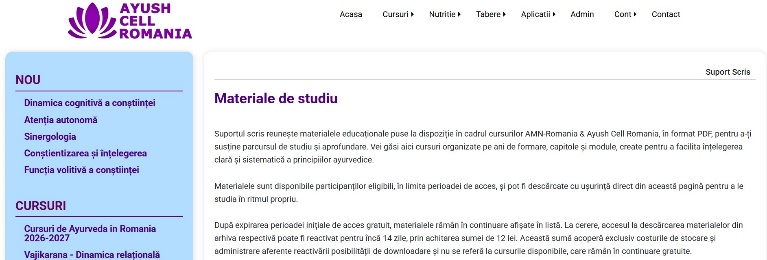
Regular consultation of the “Written Support” section is important so that updated educational materials are used in teaching. Continued updates allow additions, clarifications, and supplements to be incorporated and provide a shared reference for lecturers and students.
Consistent use of ayushcell.ro will also help monitor the Ayurveda course syllabus and maintain a clear learning path. Digital resources are an important tool for independent study.
Organizing study groups and coordinating lecturers' activities
The meeting will also review how study groups are assigned according to the sections and chapters they have completed. This organization allows lecturers to adapt their activities to each group and ensures continuity of training.
Administrative issues associated with the beginning of the year will also be discussed, from organizing activities to communicating with participants. The presentation of the application for lecturers, available on ayushcell.ro, will continue.
The application brings together the functions needed to manage ongoing activities, with sections for students, study groups, attendance, activity reports, and meeting schedules.
The sequence of operations performed through the application will also be demonstrated in practice.
Making all lecturers familiar with these functions is intended to improve administrative efficiency and provide an up-to-date, consistent overview of course activities.
From Ayurveda Day 2026 toward new international cooperation initiatives
An important part of the meeting will be devoted to Ayurveda Day 2026, celebrated this year on September 23. Participants can review the event's main features, themes, and ways in which Ayurveda has been introduced to the public.
This retrospective will provide a framework for presenting activities carried out in cooperation with the Embassy of India in Romaniaand discussing how this cultural and educational cooperation can continue.
The relationship developed over recent years has enabled publishing projects, Ayurveda Day events, meetings, and activities to promote traditional Indian knowledge in Romania.
Experience gained through these projects provides a starting point for new initiatives and closer integration of Romanian educational activities within the broader Romanian–Indian dialogue devoted to Ayurveda.
Continuity and coordination in the 2026–2027 Ayurveda course study year
The September 27 meeting naturally continues the dialogue begun on September 12. This new online session aims to develop the organization of activities and monitor how agreed priorities are put into practice.
Presenting the syllabus, coordinating study groups, updating materials, regularly using “Written Support,” and becoming familiar with the lecturer application are intended to integrate all components of education into a shared learning path.
Regular meetings of Ayurveda lecturers serve this purpose: they provide a forum for communication, clarification of organizational and teaching matters, monitoring the study program's progress, and adapting activities to group needs.
The new September 27 meeting is an important stage in consolidating the start of the course year and delivering the 2026–2027 Ayurveda study program.
Contents
5
Contents of Ayurveda Agenda digital magazine, issue 38
The table of contents for Ayurveda Agenda digital magazine issue 38 includes numerical references to articles in the various sections and details concerning the chapters of educational resources for each included study level.
Events
pp. 01–11
Ayurveda Day 2026 – “Ayurveda for a Healthier Tomorrow”
The traditional science of Ayurveda at Asia Fest 2026 in Bucharest
A meeting devoted to Raja Yoga practice with Brahma Kumari Jasu Ladva
Another meeting of Ayurveda lecturers to organize the 2026–2027 year
Contents
p. 12
Contents of Ayurveda Agenda digital magazine, issue 38
Educational resources
pp. 12–13
Ayurveda – Level 01
p. 12
(6) Prakriti-Nikasha
C22 (R)
Ayurveda – Level 02
p. 13
(7) Vela-Chakra
C01 (R)
Ayurveda – Level 03
p. 13
(8) Vimshati-Guna
C02 (A)
Current updates
pp. 14–18
Digital Educational Magazine on Medicinal Plants – September 2026
🞿
Educational resources
Ayurveda – Study Level 1 – AY01
6
One course revised from the Prakriti-Nikasha chapter on constitutional vitality and postural practice
Lesson 22 distinguishes vitality, strength, and endurance among vata, pitta, and kapha constitutional types and describes how physical postures can be adapted to constitutional needs.
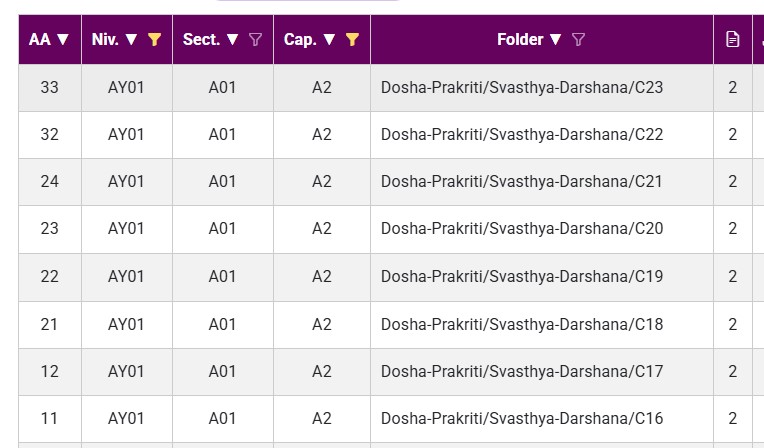
Lesson 22 belongs to study level 1 (AY01), Dosha-Prakriti section (A01), Prakriti-Nikasha chapter (A3), and is available as easy-to-read A4 and foldable A5 PDFs, under code: AY01-A01-A3-C22.
Course titles and their place in the Basic Ayurveda Course curriculum
Constitutional vitality and adaptation of postural practice
Explanatory notes
Title: Dosha-Prakriti_Prakriti-Nikasha_C22
Ayurveda – Study Level 2 – AY02
7
One course revised from the Dosha-Vaisamya chapter on temporal cycles
Lesson 1 presents daily rhythms, seasons, and life stages in relation to polar energies and the succession of the three doshas.
Lesson 1 belongs to study level 2 (AY02), main Svasthavritta section (A02), chapter Vela-Chakra (A5), and is available as an easy-to-read A4 PDFand as a foldable A5 PDF, foldable, under the code: AY02-A02-A5-C01.
Course titles and their place in the Basic Ayurveda Course curriculum
Temporal cycles and harmonizing life with Nature's rhythms
Explanatory notes
Title: Svasthavritta_Vela-Chakra_C01
Ayurveda – Study Level 3 – AY03
8
One course updated from the Vimshati-Guna chapter on manifestations of the general quality of heaviness
Lesson 2 describes harmonious and excessive physical and mental manifestations of the general quality of heaviness (guru-guna).
Lesson 2 belongs to study level 3 (AY03), Dravyaguna section (A03), the Vimshati-Guna chapter (A5), and is available as easy-to-read A4 and foldable A5 PDFs, under course code AY03-A03-A5-C02.
Course titles and their place in the Basic Ayurveda Course curriculum
Digital Educational Magazine on Medicinal Plants – September 2026
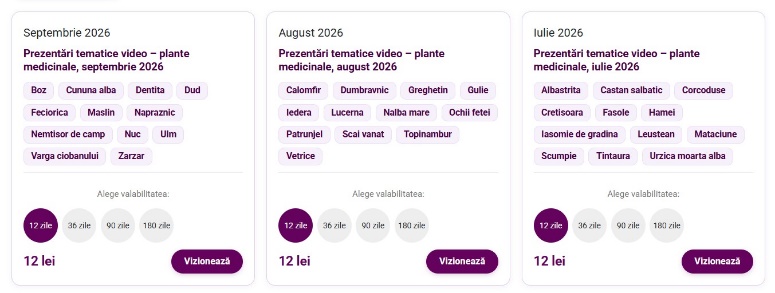
The September 2026 issue continues the interdisciplinary exploration of medicinal plants, bringing together traditional information, the distinctive characteristics of plant parts used, biological mechanisms, and modern research to highlight special properties.
The September 2026 issue of the Digital Medicinal Plants Magazine has been published, continuing the video collection developed on the Ayush Cell Romania platform.
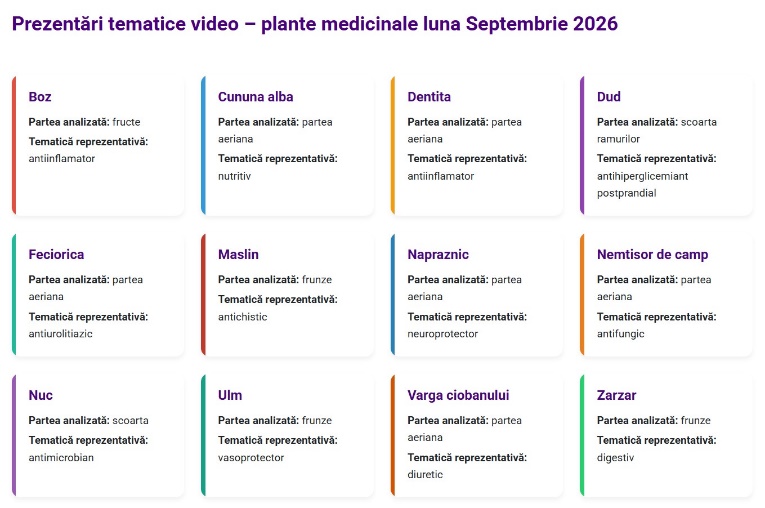
The twelve plants in this edition form a highly varied group, combining familiar species such as walnut, mulberry, and olive with plants less often featured in popular materials, such as cypress spurge, three-lobe beggarticks, white crownflower, and shepherd's rod.
This diversity allows the September issue to continue one of the project's key directions: examining a plant not only through what is already well known about it, but by choosing a specific plant part and investigating a precisely defined, sometimes less familiar property that can offer a new perspective on the resource.
The method goes beyond a general description of the properties of a plant resource or medicinal plant.
For each plant resource, a specific part and a representative theme are selected. Documentation then examines how that theme is supported by traditional information, phytochemical composition, biological mechanisms, and experimental research or, where available, human studies.
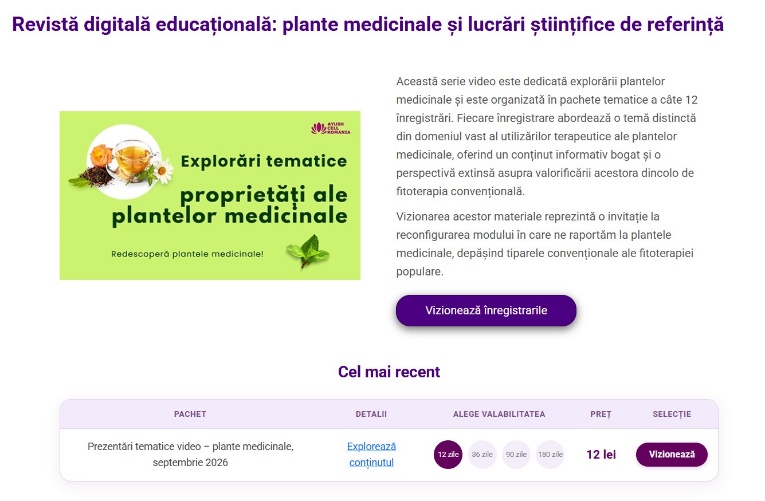
This structure follows the methodology described on the series page, where each presentation centers on the relationship between species, the plant part used, and the therapeutic action investigated.
In some cases, available evidence allows a property to be explored at several levels, from phytochemistry to biological outcomes and observations in humans. Elsewhere, research remains mainly experimental and the presentation retains an exploratory character.
Maintaining the distinction between tradition, experimental mechanisms, and therapeutic applicability remains essential to the series' educational value.
Explanatory note
These subjects are remarkably diverse. A single issue investigates inflammatory processes, post-meal blood sugar regulation, urinary and digestive function, neuronal and vascular protection, and antimicrobial and antifungal activity, alongside an experimental approach to cystic structures. The Digital Medicinal Plants Magazine thus shows how research directions can vary when attention is focused on a specific plant part and a clearly defined property.
A representative example is provided by boz (Sambucus ebulus), whose fruits are investigated for anti-inflammatory activity. A study of 53 healthy volunteers who consumed a fruit infusion for four weeks reported significant changes in certain inflammation-related markers. Phytochemical analysis identified substantial anthocyanin content. The research is of interest because it goes beyond exclusively experimental observations and provides human data, while retaining the limitations of a study of healthy volunteers.
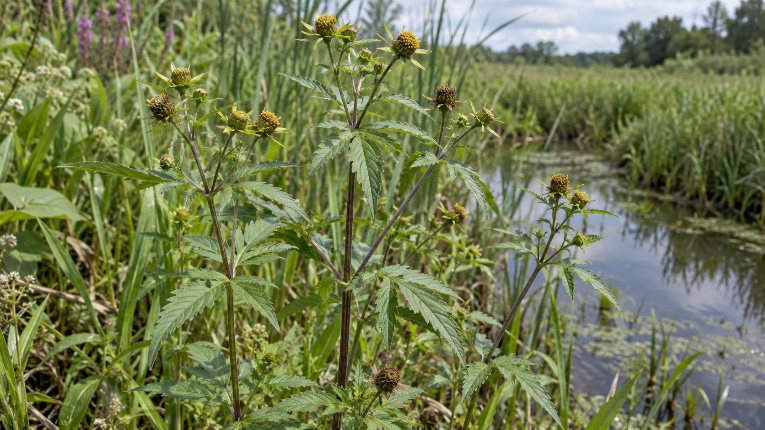
Another plant investigated for anti-inflammatory properties is three-lobe beggarticks (Bidens tripartita). Phytochemical research published in 2023 identified 21 compounds in a plant extract, several of which reduced nitric oxide production experimentally in lipopolysaccharide-stimulated macrophages. These findings suggest a possible biological mechanism for anti-inflammatory activity and illustrate how phytochemistry may help explain a property traditionally associated with a plant, without confusing cellular findings with proof of a clinical effect.
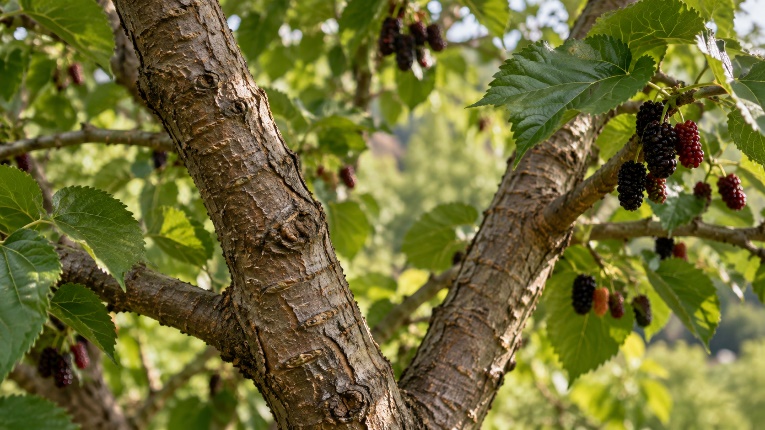
White mulberry provides a particularly interesting example of the importance of the plant part being examined. Here, attention is focused on branch bark, rather than leaves, fruits, or roots.
In studies of mulberry branch bark, the extract inhibited both α-glucosidase and sucrase, enzymes involved in carbohydrate breakdown in the intestine.
Animal experiments also observed effects on rises in blood glucose after carbohydrate administration. These findings support the description “postprandial antihyperglycemic.”
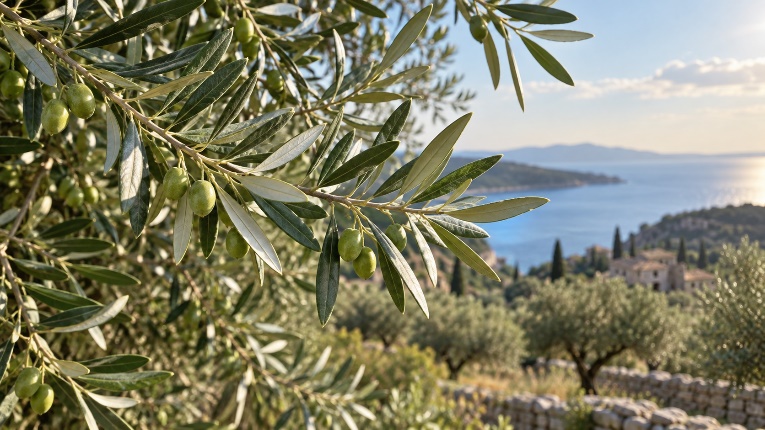
A more exploratory presentation concerns olive leaves (Olea europaea) and their potential anti-cyst action. A study using human cells derived from kidney cysts associated with autosomal dominant polycystic kidney disease investigated olive leaf extract both in cell culture and in a three-dimensional model. The extract reduced cell proliferation and the size of cystic structures.
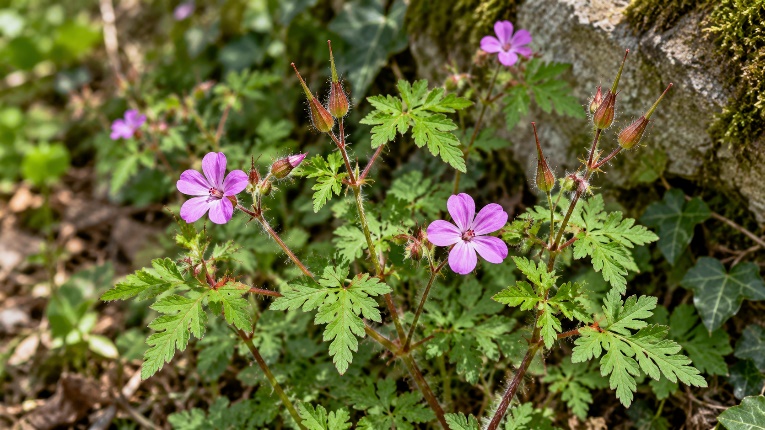
Another modern research direction concerns herb Robert (Geranium robertianum). A 2023 study investigated an aqueous extract in a cellular model of Parkinson's disease using neuronal cells exposed to a neurotoxic agent. Researchers examined cell viability, oxidative stress, and other processes associated with neuronal injury, and the results indicated a neuroprotective effect under experimental conditions.
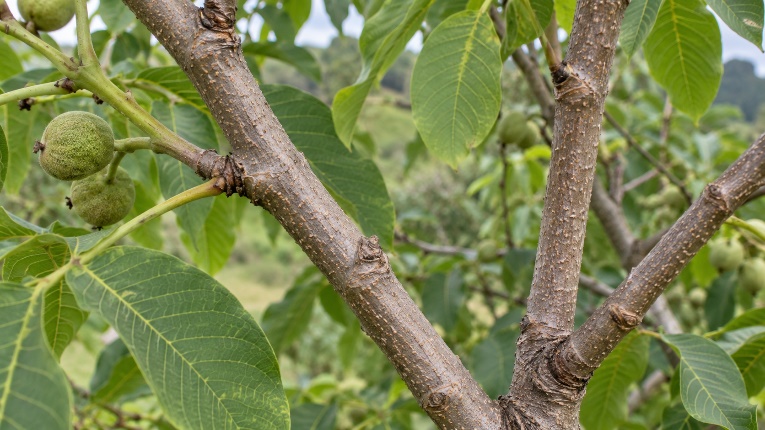
Another perspective is offered by nuc (Juglans regia), for which bark is the part examined.
Its antimicrobial activity is documented in several studies. A classic study found inhibition of certain Gram-positive and Gram-negative bacteria and the yeast Candida albicans. Later studies examined aqueous and ethanolic extracts against oral microorganisms, including Streptococcus mutans, Streptococcus salivarius and Staphylococcus aureus; the results showed that activity also depends on the extraction method used.
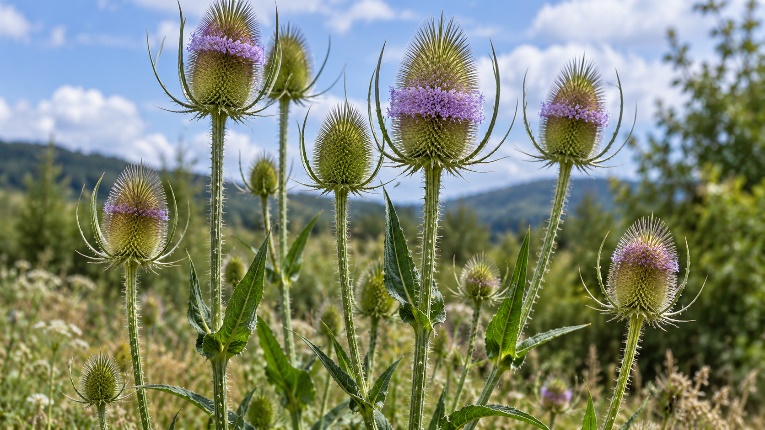
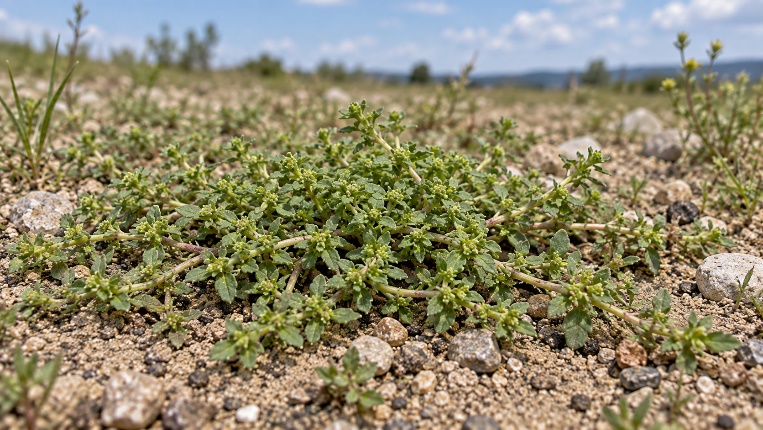
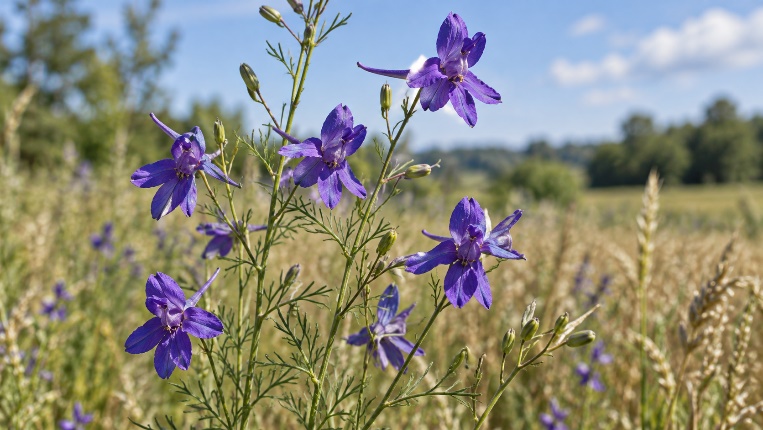
The remaining presentations complete the picture with equally distinctive themes. White crownflower is examined for its nutritional properties through its aerial parts, making it possible to study the plant beyond strictly phytotherapeutic uses. Feciorica, a creeping herbaceous species botanically identified as Herniaria glabra, is examined in relation to anti-urolithiasis properties. Field larkspur is studied through its aerial parts for antifungal properties, while shepherd's rod, identified in Romanian botanical sources as Dipsacus sylvestris, is investigated for diuretic activity.
In the case of ulmului, attention turns to leaves and their vasoprotective potential, inviting reconsideration of a plant part less commonly discussed than bark.
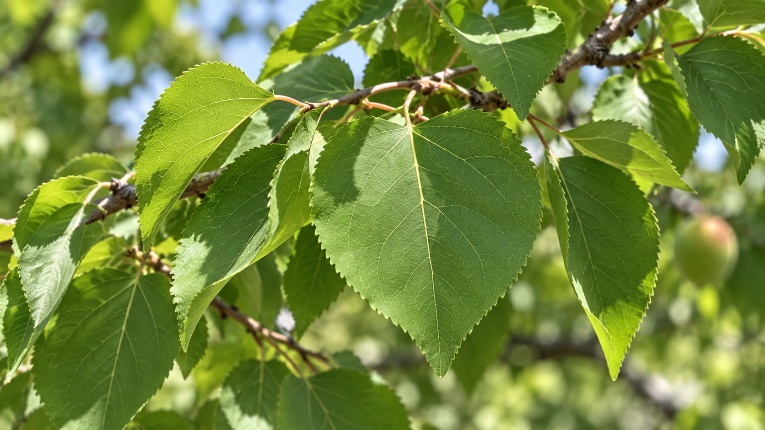
Wild apricot, identified in Romanian sources by the name Armeniaca vulgaris, is studied through its leaves for digestive properties. This is relevant because it shifts attention from the fruit—the tree's obvious edible part—to the leaves.
The September issue thus highlights a distinctive feature of the Digital Medicinal Plants Magazine: its interest in distinguishing plant parts. Mulberry branch bark cannot simply be substituted with leaves or roots, just as olive, elm, or wild apricot leaves are examined through their specific composition and corresponding research. A plant is a single organism, but phytochemically its parts may represent different resources.
At the same time, the selected properties are not all supported by the same level of evidence. Some have experimental and human data, others rely on in vitro or animal studies, and in certain cases tradition and ethnobotanical observations provide a starting point for ongoing research. Preserving these distinctions gives the presentations their educational character: research is not reduced to confirming a property but becomes an exploration of the actual state of knowledge.
An important feature of the collection is its ability to open new lines of inquiry.
The purpose of a presentation is not merely to repeat what is already well known about a plant resource or medicinal plant.
Sometimes the value of documentation lies in choosing a less-studied property, identifying an underused plant part, or observing convergence between a traditional use and a biological mechanism revealed by contemporary research.
The shared structure of the materials also makes presentations easier to compare.
Plant species, part examined, selected property, relevant composition, possible mechanisms, representative studies, and traditional information form a coherent path of documentation.
The series is organized into monthly packages of 12 recordings and permits repeated access to presentations during the selected access period.
The Digital Medicinal Plants Magazine thus gradually develops an increasingly extensive, comprehensive video documentation library.
In addition to monthly packages, ayushcell.ro offers the option to create a custom packageby selecting at least 12 plants from the entire collection, at a price of 1 RON per selected presentation and with viewing access for 12 days.
This option lets users bring together plants from different issues according to a property, functional system, or personal research interest.
The September 2026 issue thus adds twelve new resources and, more importantly, twelve distinct directions for investigating the plant world in a differentiated way.
Tradition, botanical observation, phytochemistry, and modern biological research complement one another to create a perspective in which medicinal plants can be understood more precisely by paying close attention to the part used, the property investigated, and the actual level of available evidence.
Valoarea Digital Medicinal Plants Magazine can also be viewed from the perspective of building a long-term educational resource.
Beyond each issue and each individual presentation, the project gradually creates a digital heritage of medicinal plant knowledge in which information remains available, can be retrieved, and may acquire new meanings when related to materials added later.
A key advantage is the project's modular character. Each presentation is a stand-alone unit of study, focused enough to be explored independently but designed to connect with many others. A medicinal plant may be the starting point for exploring a particular property, while that property may lead to other plants. Conversely, the same species may attract interest because of the part used, its composition, botanical family, or traditional characteristics. A growing network of relationships thus supports learning through association, comparison, and discovery.
The project also has the merit of fostering research curiosity. Learning about a less-familiar property can prompt users to reconsider a familiar plant, while encountering a rarely discussed species may spark interest in wild flora, ethnobotany, pharmacognosy, or research from other cultures. The Digital Educational Magazine on Medicinal Plants thus becomes not only a way to share specialized information but also an incentive for continued study.
Another benefit comes from accumulation over time. A single presentation offers a focused piece of information; however, several hundred presentations organized according to common principles form an educational corpus that enables observations and connections impossible with an isolated resource.
As the archive grows, so do opportunities for cross-referencing and developing increasingly specialized learning paths. In this sense, Digital Medicinal Plants Magazine is a project open to continuous development.